
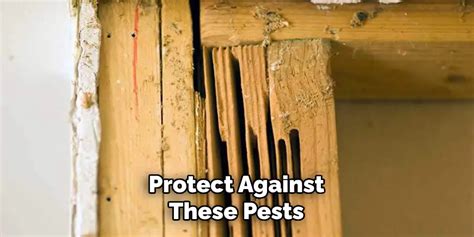
Wood siding adds timeless beauty and character to homes, but it also comes with vulnerabilities that can be exploited by pests. From termites to carpenter ants, these intruders can inflict serious damage not only compromising the aesthetic appeal of your property but also affecting its structural integrity.
In this article, we’ll delve into effective prevention methods to protect your wood siding, identify early signs of pest infestation, and explore both natural and chemical treatment options. Additionally, we’ll discuss essential maintenance practices that can offer long-term protection against pesky invaders.
Whether you’re a proud homeowner looking to preserve your investment or a DIY enthusiast aiming to enhance your home’s resilience, our comprehensive guide will provide you with the knowledge and tools necessary to safeguard your wood siding from pests effectively.
Understanding The Vulnerabilities Of Wood Siding
Wood siding, while a popular choice for its aesthetic appeal and insulation properties, is inherently vulnerable to a variety of pests. Understanding these vulnerabilities is crucial in order to develop effective strategies to protect your wood siding from potential damage.
One of the main vulnerabilities of wood siding is its organic composition. Pests such as termites, carpenter ants, and wood-boring beetles are naturally attracted to wood because it serves as their food source. As they burrow into the material, they compromise the structural integrity of your siding.
Additionally, moisture plays a significant role in attracting pests. Wood that retains moisture due to poor drainage or inadequate sealing is more susceptible to infestations. High humidity levels can also foster conditions conducive to mold and fungal growth, which further undermines the health of the wood and makes it more appealing to pests.
Another vulnerability stems from the installation process. Gaps or poorly fitted boards can create entry points for pests. Cracks and voids allow insects to access the wood, making it essential to ensure that your siding is installed correctly and maintained over time.
Environmental factors, such as proximity to trees or shrubs, can also contribute to vulnerabilities. Overhanging tree branches can create a bridge for pests to reach your siding, while shrubs that are too close can hold moisture against the wood, exacerbating the risk of infestations.
Neglecting regular maintenance can significantly increase the vulnerability of your wood siding. Failing to repaint, reseal, or inspect your siding can lead to wear and tear that pests can exploit. Keeping your siding well-maintained is vital in minimizing these vulnerabilities.
By recognizing these vulnerabilities, homeowners can take proactive measures to mitigate risks and safeguard their wood siding from pest infestations. This foundational knowledge is essential as you explore how to implement effective prevention methods and treatments outlined in the subsequent sections of this article.
Effective Prevention Methods For Wood Siding Pests
To protect your wood siding from pests, it’s essential to implement effective prevention methods. Here are some strategies to consider:
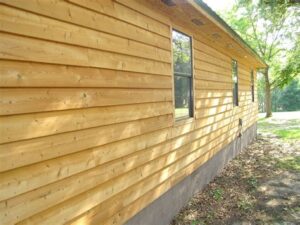
- Regular Inspections: Conduct routine inspections of your wood siding. Check for cracks, splits, or areas where moisture can accumulate. Early detection can help prevent pest infestations.
- Proper Sealing: Make sure that your wood siding is properly sealed. Using a high-quality waterproof sealant can create a barrier against moisture, making it less attractive to pests.
- Keep Wood Dry: Ensure that your wood siding remains dry by managing landscaping and drainage. Keep soil level below the siding, and extend downspouts to prevent water from pooling.
- Avoid Contact With Soil: Ensure that wood siding does not come into contact with the ground or landscaping materials. This can help deter termites and other wood-boring pests.
- Use Pest-Resistant Materials: When replacing or making repairs to your siding, consider using pest-resistant materials, such as treated wood or engineered wood products.
- Control Moisture Levels: Maintain low humidity levels around your home. Use dehumidifiers or ventilated attics to control moisture, reducing the risk of mold and pest attraction.
- Trim Vegetation: Keep shrubs, trees, and plants trimmed and away from the siding. Overhanging branches can provide easy access for pests.
- Regular Painting or Staining: Regularly paint or stain your wood siding. This not only enhances the aesthetic appeal but also provides a protective layer against moisture and pests.
- Pest Barriers: Consider installing physical barriers, such as copper mesh or metal flashing, to deter pests from accessing the wood siding.
- Consult Professionals: For extensive infestations or preventive measures beyond basic maintenance, consulting pest control professionals can be beneficial for tailored solutions.
By following these effective prevention methods, you can significantly enhance the longevity of your wood siding and reduce the risk of pest infestations. Incorporating these strategies into your regular maintenance routine will ensure that your siding remains a fortified barrier against wood pests.
How To Identify Early Signs Of Pest Infestation
Pest infestations can significantly compromise the integrity of your wood siding if not addressed promptly. Knowing how to identify these early signs is essential for maintaining your home’s exterior. Here are some indicators to watch for:

- Wood Damage: Look for small holes or gnaw marks on the surface of your wood siding. These can be entry points for pests.
- Frass: This term refers to the droppings left behind by wood-boring insects. If you notice fine sawdust or wood particles, it’s a telltale sign of infestation.
- Bubbling or Peeling Paint: If your paint or finish begins to bubble or peel, it may suggest moisture retention due to pest activity beneath the surface.
- Increased Insect Activity: Observe the area around your siding. A sudden uptick in insect activity, especially during certain seasons, can indicate potential issues.
- Noise: Some pests, like termites, may produce soft clicking or chewing sounds. If you hear unfamiliar noises coming from inside your walls, it’s time to investigate.
- Soft or Spongy Wood: Press your fingers against the siding. If it feels soft or spongy, it may be a sign of prior damage from pests.
By being vigilant and knowing how to spot these early warning signs, you can take proactive measures to protect your wood siding from potential infestations before they escalate. Regular inspections and maintenance are key to preventing pest issues down the line.
Natural Vs. Chemical Treatments For Wood Siding
When it comes to protecting wood siding, homeowners often find themselves weighing the options between natural and chemical treatments. Each approach has its pros and cons, making it essential to understand the differences to determine the best fit for your needs.
Natural treatments for wood siding tend to be more eco-friendly and safer for both humans and the environment. Common natural treatments include:
- Essential oils: Oils like peppermint, tea tree, and eucalyptus can deter pests when mixed with water and sprayed on the siding.
- Vinegar: A simple solution of vinegar can help keep pests at bay. Its strong scent is unappealing to many types of insects.
- Soap solutions: A mild soap mixed with water can be an effective way to remove pests that are already on the siding.
Additionally, wood preservatives made from natural elements, such as linseed oil, can enhance the durability of wood while preventing infestations.
On the other hand, chemical treatments are often more potent and can provide faster results. These treatments widely include:
- Insecticides: There are various formulations designed specifically for wood-destroying insects. Follow the manufacturer’s instructions carefully to ensure safe and effective application.
- Borate treatments: Borate-based preservatives penetrate wood fibers to kill existing pests and prevent future infestations.
- Pressure-treated wood: While not a topical treatment, using pressure-treated siding materials can significantly reduce the chances of pest problems.
However, it’s important to note that chemical treatments may pose risks to human health and the environment if not used correctly. Therefore, always consider local regulations and guidelines when choosing a treatment method.

Both options have merit depending on your situation. For those seeking eco-friendly solutions, natural treatments are a great choice, while those needing immediate results may find chemical treatments more effective. Understanding how to utilize these treatments effectively can significantly enhance the longevity and safety of your wood siding.
Maintaining Wood Siding For Long-Term Pest Protection
Regular maintenance is essential for ensuring the longevity and durability of your wood siding, particularly in preventing pest infestations. By implementing a proactive approach, you can protect your investment and keep your home looking its best. Here are several strategies for maintaining wood siding and safeguarding it from pests:
- Regular Inspections: Conduct bi-annual inspections of your wood siding to check for any signs of wear, moisture damage, or pest activity. Look for cracks, gaps, or areas where moisture may accumulate.
- Proper Sealing: Make sure to seal your wood siding properly with high-quality stains or paints that provide a protective barrier. Reapply these coatings every few years to maintain their effectiveness.
- Keep it Clean: Regularly clean the siding to remove dirt, debris, and mildew. This reduces the appeal for pests and allows you to spot any signs of issues early on.
- Address Moisture Issues: Ensure proper drainage and ventilation around your home’s foundation. Moisture can attract pests and lead to wood rot, making your siding more susceptible to infestations.
- Trim Vegetation: Keep shrubs and trees trimmed back from the siding. This not only prevents pests from having easy access to your home but also allows the siding to dry out more effectively after rain.
- Pest-Resistant Materials: When replacing or repairing wood siding, consider using pest-resistant materials or treatments that add an additional layer of protection against insects.
- Invest in Professional Help: Schedule annual inspections or treatments by pest control professionals who can help maintain your wood siding and address any emerging issues promptly.
By consistently following these practices, you can greatly enhance the durability of your siding and effectively protect it from pests over the long term. This commitment to maintenance not only preserves the aesthetic appeal of your home but also significantly contributes to its structural integrity.
Frequently Asked Questions
What are the most common pests that affect wood siding?
Common pests that target wood siding include termites, carpenter ants, wood-boring beetles, and various forms of fungi.
What signs indicate that my wood siding has a pest problem?
Signs of pest issues include visible wood damage, small holes in the siding, frass (wood dust), and the presence of winged insects near the siding.
How can I prevent pests from infesting my wood siding?
To prevent pests, ensure proper sealing and painting of the wood, maintain good drainage around the foundation, and regularly clean gutters to reduce moisture.
What maintenance should I perform on my wood siding to keep it pest-free?
Regularly inspect your siding for damage, repaint any chipped areas, and apply wood preservatives to protect against pests.
Are there any natural remedies for deterring pests from wood siding?
Natural remedies include using diatomaceous earth, essential oils like cedar or peppermint, and maintaining a clean environment to reduce attractants.
When should I call a professional for pest control regarding my wood siding?
If you notice significant damage or a large infestation and cannot manage it on your own, it’s best to call a professional pest control service.
What should I do if my wood siding is already infested with pests?
If your wood siding is infested, safely remove any damaged sections, treat the area with appropriate pesticides, and consider replacing severely affected boards.
Leave a Reply