
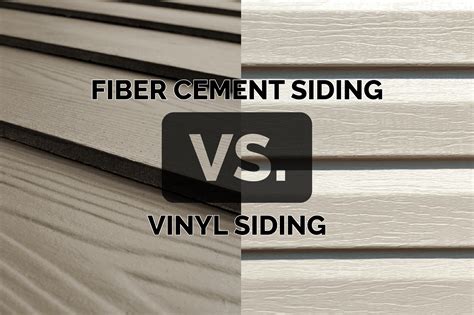
When it comes to enhancing your home’s exterior, the choice between wood siding and fiber cement can be overwhelming. Both materials offer unique benefits, but understanding their differences can help you make an informed decision that aligns with your aesthetic preferences and long-term plans.
In this article, we will explore the advantages and aesthetic charm of wood siding, compare its durability to that of fiber cement, and perform a thorough cost analysis to determine which option delivers better value over time.
Additionally, we will delve into the maintenance requirements for wood siding and highlight key factors to consider when deciding between these two popular materials. Whether you’re renovating your home or starting a new build, this guide will provide valuable insights to help you choose the best siding solution for your needs.
Understanding Wood Siding: Benefits And Aesthetic Appeal
Wood siding is a popular choice among homeowners due to its unique characteristics that combine aesthetic beauty and natural charm. One of the primary benefits of using wood siding is its timeless look, which enhances curb appeal and provides a warm, inviting atmosphere to any home. Available in various styles, textures, and finishes, it can complement numerous architectural designs, making it a versatile option for home exteriors.
In addition to its aesthetic appeal, wood siding offers excellent insulation properties. It helps regulate indoor temperatures, providing a comfortable living environment while potentially reducing energy costs. Furthermore, wood is a renewable resource, which makes it an environmentally friendly choice when sourced responsibly.
Another advantage of wood siding is its ability to be easily customized. Homeowners can choose from a wide range of stains and paints to match their personal style or the home’s surroundings. This adaptability allows for minor updates over time, enabling owners to refresh their home’s exterior without the need for a complete overhaul.
Moreover, wood siding can also be repaired more easily than some alternative materials; certain damage can be sanded out or patched, which can be more cost-effective in the long run compared to replacing sections of other materials. Overall, the combination of aesthetic value, insulation benefits, environmental impact, and customization options makes wood siding a favored selection for exterior cladding.
Comparing Durability: Wood Siding Vs. Fiber Cement
When it comes to building materials, durability is a key factor for homeowners. Both wood siding and fiber cement have their strengths, but they cater to different needs and preferences. Understanding how each of these materials performs over time can significantly influence your choice.
Wood siding has been a popular choice among homeowners for decades, appreciated for its natural beauty and aesthetic appeal. However, it is susceptible to several factors that can affect its durability. Common issues include rot, termites, and warping due to moisture exposure. Proper treatment and maintenance can mitigate these risks, but they require ongoing attention and investment.
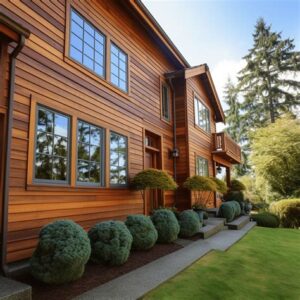
On the other hand, fiber cement has emerged as a strong contender thanks to its impressive durability. Made from a blend of cement, wood fibers, and silica, this material is resistant to many of the critical problems that plague wood siding. Fiber cement is non-combustible, making it a safer option in areas prone to wildfires, and it’s impervious to pests, ensuring a longer lifespan.
To provide a clearer comparison, here’s a table summarizing the durability aspects of wood siding versus fiber cement:
| Durability Feature | Wood Siding | Fiber Cement |
|---|---|---|
| Resistant to Rot | Vulnerable with Poor Maintenance | Highly Resistant |
| Termite Resistance | Not Resistant | Resistant |
| Fire Resistance | Not Fire-Resistant | Fire-Resistant |
| Moisture Damage | Prone to Damage | Resistant |
While both wood siding and fiber cement have their merits, fiber cement generally provides superior durability. If you prioritize long-term performance and lower maintenance, fiber cement may be the better choice. However, for those who value the classic look and feel of real wood, investing in high-quality wood siding with proper maintenance can still yield beautiful results.
Cost Analysis: Investment In Wood Siding Over Time
When evaluating your options for home siding, understanding the long-term financial implications is crucial. Wood siding offers a unique aesthetic appeal and warmth, but its costs can vary significantly depending on several factors.
Initially, the installation cost of wood siding is generally higher than that of fiber cement. On average, homeowners can expect to spend between $5 to $10 per square foot for wood siding, which includes both materials and labor. However, this cost can fluctuate depending on the species of wood chosen, whether it’s cedar, pine, or redwood, each carrying its own price tag.
In addition to upfront costs, consider the long-term investment. Wood siding requires regular maintenance to preserve its beauty and durability. Homeowners should budget for treatments, painting, and potential repairs. Annually, maintenance and upkeep for wood siding can range from $1,000 to $2,000, depending on the size of the home and local labor rates.
Contrastingly, fiber cement siding usually has a higher upfront installation fee, but it offers lower maintenance costs over time, making it a more cost-effective option in the long run. Specifically, fiber cement is resistant to rot, insects, and weather damage, which may save homeowners additional expenses related to repair and maintenance.
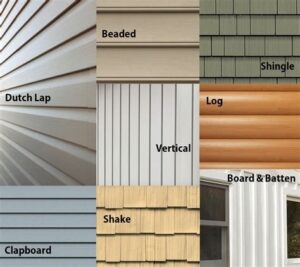
When considering the cost analysis for wood siding, it’s essential to weigh both the initial investment and the long-term maintenance costs. For those who value the beauty of natural wood and are willing to invest in ongoing care, wood siding can be a worthwhile option. However, for homeowners seeking a lower-cost option over time, fiber cement may prove to be the better choice.
Maintenance Requirements For Wood Siding: What To Expect
Maintaining wood siding is essential for preserving its beauty and ensuring its longevity. Homeowners should be aware of what maintenance entails to keep their siding looking its best and to prevent potential issues down the line. Here are key aspects to consider:
- Regular Inspections: It’s important to inspect your wood siding at least once a year. Look for signs of damage such as warping, rot, or insect infestations.
- Cleaning: Keeping wood siding clean is vital. A gentle wash with soap and water can help remove dirt and mildew. Use a soft brush to avoid damaging the wood.
- Painting and Staining: Depending on the type of finish, wood siding should be repainted or restained every three to five years. This protects the wood from moisture and UV damage.
- Sealing: Applying a quality sealant can help prevent moisture penetration, which is crucial for maintaining the integrity of your siding.
- Repairs: Address any damages immediately, whether through replacing individual boards or repairing small areas to prevent further deterioration.
By understanding these maintenance requirements, you can ensure that your wood siding continues to enhance the aesthetic appeal of your home while remaining durable and functional over time.
Deciding Factors: When To Choose Wood Siding Over Fiber Cement
Choosing between wood siding and fiber cement often comes down to a few critical factors that align with your preferences and project needs. Here are some wood siding deciding factors to consider:
- Aesthetic Appeal: If you prioritize a natural, warm appearance, wood siding often provides a timeless look that many find appealing. The variety of grain patterns and colors available in wood can enhance the architectural style of your home.
- Environmental Considerations: For environmentally conscious homeowners, wood siding can be the preferred choice due to its renewable resources, especially when sourced from sustainably managed forests. Fiber cement, while durable, has a higher carbon footprint during production.
- Local Climate: In areas with mild weather, wood siding performs admirably, offering insulation and maintaining a comfortable indoor temperature. However, in regions prone to extreme weather conditions, the durability of fiber cement might be more advantageous.
- Investment in Character: If increasing the character or value of your home is a goal, installing quality wood siding can be appealing. Natural wood is often viewed as a luxury material that can attract buyers in the real estate market.
- Long-term Plans: Consider your long-term living plans. If you envision spending years in your home, investing in wood siding for its aesthetic and local charm can be worthwhile, despite the maintenance it requires.
- Personal Preference: Ultimately, personal taste plays a significant role. If you have always dreamed of a classic wood siding exterior, that satisfaction in achieving your vision is priceless.
Weighing these factors carefully can guide you in making an informed decision about whether wood siding or fiber cement is best for your specific project. Each material has its own set of advantages, but the right choice will depend on your priorities and the unique context of your home.

Frequently Asked Questions
What are the main differences between wood siding and fiber cement?
The main differences include material composition, durability, maintenance requirements, and cost. Wood siding is natural and can provide aesthetic charm but may require regular maintenance. Fiber cement is made from a mixture of cement and cellulose, offering enhanced durability and lower maintenance.
Which siding option lasts longer, wood or fiber cement?
Fiber cement typically lasts longer than wood siding, often with a lifespan of 30 to 50 years compared to wood, which may last 20 to 30 years depending on maintenance and environmental conditions.
How do the costs compare between wood siding and fiber cement?
Wood siding generally has a lower upfront cost compared to fiber cement. However, considering longevity and maintenance, fiber cement may offer better long-term value.
What maintenance is required for wood siding?
Wood siding requires regular maintenance, such as repainting or staining every few years, sealing to protect against moisture, and inspections for pests and rot.
Is fiber cement siding eco-friendly?
Yes, fiber cement siding can be considered eco-friendly as it often contains recycled materials, is highly durable, and does not require toxic chemicals for maintenance like some wood preservatives.
Which siding option is more resistant to weather elements?
Fiber cement is generally more resistant to weather elements, including wind, rain, and fire, making it a popular choice in regions with harsh climates.
Can I install fiber cement siding myself, or should I hire a professional?
While some homeowners with experience in DIY projects may install fiber cement siding themselves, it is often recommended to hire a professional due to the weight and specific installation techniques required.
Leave a Reply