
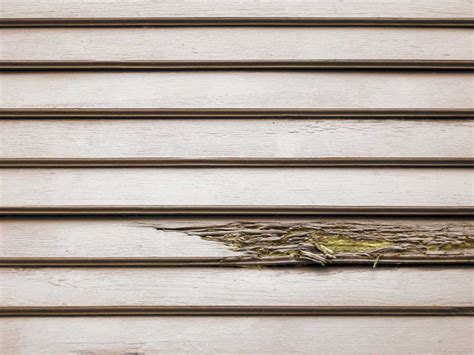
When it comes to maintaining the beauty and longevity of your wood siding, understanding the impact of weather is essential. Wood siding, prized for its aesthetic appeal and insulating properties, is not impervious to the elements.
Each season brings unique challenges—from pervasive humidity and torrential downpours to the searing heat of summer and frigid winter temperatures. These weather conditions can significantly affect the durability and appearance of your siding, making it crucial for homeowners to grasp how these factors interact.
This article delves into the intricate relationship between weather and wood siding, offering insights on how to protect and maintain your investment. Discover effective weatherproofing strategies, maintenance considerations, and answers to frequently asked questions, ensuring that your wood siding remains resilient and stunning for years to come.
Understanding How Weather Influences Wood Siding Durability
The durability of wood siding is profoundly affected by various weather conditions. Understanding the ways in which how weather interacts with wood siding can help homeowners make informed decisions regarding installation, maintenance, and protection. Different elements of weather, including moisture, temperature fluctuations, and UV exposure, all play a critical role in the overall lifespan of wood siding.
Moisture is one of the most significant factors influencing wood siding durability. High levels of humidity or consistent rainfall can lead to water infiltration, which promotes mold and rot. Additionally, prolonged exposure to damp conditions can weaken the wood fibers, compromising the siding’s structural integrity.
Temperature fluctuations also contribute to the wear and tear of wood siding. As temperatures rise and fall, wood tends to expand and contract. This natural process can lead to gaps, warping, and cracking in the siding over time, thereby reducing its lifespan. Understanding the specific climate your area experiences can help you choose the right type of wood siding that is more resilient to these changes.
UV rays from the sun can cause significant damage to wood siding. They break down the protective finishes and cause discoloration, which not only affects aesthetics but also exposes the wood to other damaging elements like moisture and pests. Thus, regular application of protective coatings and finishes can significantly enhance the durability of wood siding.
Being aware of how weather conditions affect your wood siding allows for proactive measures to be taken, ensuring that your siding remains in excellent condition for years to come.
The Effects of Rain and Humidity on Wood Siding Quality
When considering how weather affects the lifespan of wood siding, one of the most significant factors is rain and humidity. Persistent moisture can lead to a myriad of issues that compromise the integrity and appearance of your siding.
Firstly, excess rain introduces humidity into the environment, which can permeate the wood siding. This absorption of moisture may cause the wood to swell, leading to a warped or distorted appearance. Over time, the structural strength of the wood can be compromised, increasing the risk of cracks or splits.

Moreover, prolonged exposure to high humidity levels can encourage the growth of mold and mildew. These fungi not only create unsightly stains but can also pose health risks for homeowners. Regular cleaning is essential to mitigate these effects, but neglecting this maintenance can significantly reduce the wood siding’s lifespan.
Another crucial aspect is the interaction between rain and the protective finishes applied to wood siding. High humidity can accelerate the degradation of paints and sealants, leading to flaking or peeling. As these protective layers break down, the wood becomes increasingly vulnerable to moisture damage.
To summarize, understanding how weather impacts rain and humidity on wood siding is crucial for maintaining its quality. By implementing proper maintenance and weatherproofing strategies, homeowners can enhance the durability of their wood siding against the damaging effects of precipitation and humidity.
Extreme Temperatures: How Weather Affects Wood Siding Expansion
Extreme temperatures can significantly impact the structure and appearance of wood siding, leading to a range of issues that can shorten its lifespan. When temperatures rise, wood siding tends to expand, while cold conditions generally cause it to contract. This cycle of expansion and contraction can create stress on the wood, ultimately affecting its integrity.
During hot weather, how weather influences the dimensional stability of wood can lead to considerable swelling. This expansion may cause the siding boards to warp or twist, resulting in a misalignment that not only diminishes aesthetic appeal but also jeopardizes the protective seal against moisture. Conversely, when temperatures drop, wood siding contracts, possibly leading to gaps between boards or splitting as the surfaces pull away from one another.
To mitigate the effects of extreme temperatures on your wood siding, consider the following strategies:
- Use high-quality, temperature-resistant sealants to maintain a protective barrier.
- Install wood siding with appropriate spacing to allow for natural expansion and contraction.
- Opt for wood varieties or treatment options designed to withstand temperature fluctuations better.
Understanding how weather affects wood siding expansion is essential for homeowners. By proactively addressing the challenges posed by temperature variations, you can help ensure the long-term durability and beauty of your wood siding.
Protecting Wood Siding: Weatherproofing Strategies for Longevity
To ensure the longevity of your wood siding, implementing effective weatherproofing strategies is essential. Given the various weather conditions that can impact wood siding, securing it against moisture, temperature fluctuations, and other environmental factors is crucial. Here are some proven methods to protect your wood siding:
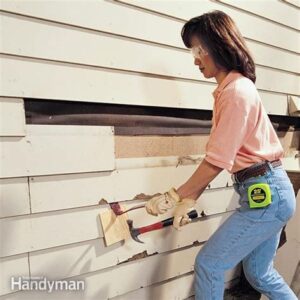
- Regular Sealing: One of the most effective ways to guard against the elements is to apply a quality sealant. This acts as a barrier, keeping moisture out while allowing the wood to breathe. Reapplication should be done every few years, depending on exposure and wear.
- Quality Paint and Stain: Choosing a high-quality exterior paint or stain specifically designed for wood siding can greatly enhance its durability. These coatings not only provide a protective layer but also shield the wood from UV rays, preventing fading and damage over time.
- Proper Installation: Ensuring that your wood siding is installed correctly can vastly improve its lifespan. Make sure there are appropriate gaps between boards to allow for expansion and contraction, which helps to reduce the risk of cracking and warping.
- Regular Maintenance: Conduct routine inspections and maintenance of your wood siding. Clean off debris, check for signs of moisture or mold, and address any issues promptly to prevent more severe damage.
- Overhangs and Gutters: Installing overhangs and maintaining gutter systems can significantly reduce water exposure on wood siding. Proper drainage keeps rainwater away from the siding, minimizing the risk of rot and deterioration.
By implementing these weatherproofing strategies, you can effectively mitigate the impact of the elements and enhance the lifespan of your wood siding. Remember, the better your wood siding is protected, the less frequently you’ll need to undertake extensive maintenance or replacements.
How Weather Impacts Maintenance Needs for Wood Siding
Maintaining wood siding is crucial for ensuring its longevity and aesthetic appeal, and understanding how weather affects maintenance needs is essential for homeowners. The changing weather conditions play a significant role in determining how often and in what ways wood siding requires upkeep.
For instance, regions that experience high humidity or frequent rainfall will require more regular inspections and treatments to prevent mold, mildew, and rot. In contrast, areas with extreme temperatures may necessitate more frequent repainting or sealing, as the expansion and contraction of wood can lead to cracks and gaps that expose the siding to the elements.
Here are some key maintenance considerations influenced by weather:
- Regular Inspections: Conduct thorough inspections at the end of every season, particularly after harsh weather events such as heavy rain or snow, to identify any potential issues.
- Cleaning: Use appropriate cleaning methods to remove dirt, grime, and any organic growth that can thrive in damp conditions.
- Weatherproofing: Apply protective coatings and sealants as needed, especially before the onset of winter or rainy seasons to enhance resistance against the weather.
- Repairs: Address cracks, splits, or any other forms of damage promptly to prevent further deterioration from weather exposure.
Understanding how weather conditions affect the maintenance frequency and methods will help homeowners protect their wood siding effectively, ensuring that it remains functional and visually appealing for years to come.

Frequently Asked Questions
How does moisture affect wood siding?
Moisture can lead to wood rot and mold growth, significantly shortening the lifespan of wood siding.
What role does UV exposure play in wood siding deterioration?
Prolonged UV exposure can cause the wood to fade and lose its natural oils, leading to dryness and cracking.
Can extreme temperatures damage wood siding?
Yes, extreme temperatures can cause wood to expand and contract, which may lead to warping or splitting.
How does snow impact the condition of wood siding?
Heavy snow can trap moisture against the siding, increasing the risk of rot if not cleared away timely.
What preventive measures can be taken to protect wood siding from weather?
Regularly painting or staining the siding, applying sealants, and ensuring proper drainage can protect wood siding from weather damage.
How often should wood siding be maintained to ensure longevity?
It’s advisable to inspect and maintain wood siding at least once a year to address any potential issues before they worsen.
Is there a specific type of wood that withstands weather better?
Yes, woods like cedar and redwood are naturally resistant to weather elements and tend to last longer compared to other types.
Leave a Reply