
When it comes to siding options for your home, the choice between Hardie Board and wood siding can significantly impact both aesthetic appeal and long-term performance. This article delves deep into the nuances of each material, examining the benefits and features of Hardie Board alongside the advantages and disadvantages of traditional wood siding.
We will explore crucial factors such as cost-effectiveness, durability, maintenance needs, and the unique styles they offer. Whether you’re renovating an existing home or building from the ground up, understanding these options will empower you to make an informed decision that enhances your home’s value and curb appeal for years to come. Join us as we break down the essential differences and similarities, ensuring your siding choice perfectly complements your vision.
Understanding Hardie Board: Benefits And Features
When comparing Hardie board to traditional wood siding, it’s essential to delve into the unique benefits and features that Hardie board offers. This fiber cement siding not only provides a stunning aesthetic, but it also boasts a range of functional advantages that make it a popular choice among homeowners and builders alike.
One of the primary benefits of Hardie board is its remarkable durability. Unlike wood siding, which can be susceptible to rot, termites, and other pests, Hardie board is engineered to withstand harsh weather conditions, making it an excellent choice for various climates. Its resistance to fire and extreme temperatures further enhances its longevity, ensuring that homeowners can enjoy peace of mind for years to come.
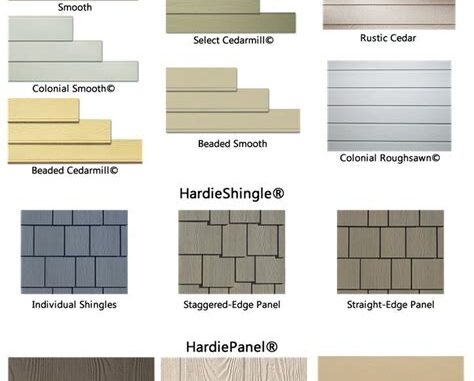
Additionally, Hardie board is highly versatile in terms of style. It can be customized to mimic the appearance of traditional wood siding without the associated maintenance and vulnerability. Available in various colors and textures, it allows homeowners to achieve their desired look without compromising on performance.
Another significant advantage is the low maintenance required for Hardie board. Unlike wood, which needs regular painting, staining, and sealing, Hardie board requires minimal upkeep. A simple wash with soap and water can often suffice to keep it looking fresh and vibrant. Additionally, its color does not fade easily, reducing the frequency of repainting.
Furthermore, Hardie board is an environmentally friendly choice. It is composed of sustainable materials including wood fibers, cement, and sand, which are less harmful compared to some synthetic siding options. This feature appeals to homeowners looking to make eco-conscious decisions while renovating or building their homes.
When comparing Hardie board to wood siding, it is clear that Hardie board presents numerous benefits such as durability, aesthetic versatility, low maintenance, and eco-friendliness. These attributes make it a worthwhile consideration for anyone weighing their siding options.

Wood Siding: Advantages And Disadvantages Explored
When it comes to Comparing Hardie board to wood siding, it’s essential to explore both sides of wood siding’s appeal. This traditional option has long been a popular choice for homeowners due to its natural beauty and warmth. Below, we examine the advantages and disadvantages of wood siding to provide a clear perspective.
Advantages
- Natural Aesthetic: Wood siding provides a classic and timeless look, enhancing the curb appeal of any home with its organic textures and grains.
- Versatility: Available in various species, styles, and finishes, wood siding can be easily customized to fit any architectural design.
- Insulation: Wood offers excellent natural insulation properties, which can contribute to energy efficiency by helping to keep heating and cooling costs down.
- Repairable: Unlike some other siding materials, wood can often be repaired locally rather than requiring complete replacement, making it a more sustainable option in some cases.
Disadvantages
- Maintenance Requirements: Regular maintenance, such as painting or staining, is essential to protect against weathering, rot, and insect damage.
- Cost: While initial costs can be competitive, the ongoing maintenance can add up, making wood siding potentially more expensive in the long run.
- Durability Concerns: Compared to alternatives like Hardie board, wood siding can be less durable and may not withstand harsh weather conditions as effectively.
- Environmental Considerations: Sourcing wood can pose sustainability issues if not sourced responsibly, potentially impacting forest ecosystems.
While wood siding has its unique charm and benefits, it is crucial to weigh these against the challenges it presents, especially when comparing Hardie board, which often excels in durability and maintenance efficiency.
Comparing Hardie: Cost-Effectiveness And Long-Term Value
When it comes to home exterior choices, Comparing Hardie board and wood siding often raises questions about initial costs and long-term value. Understanding the financial implications of each can significantly influence your decision-making process.
Initially, Hardie board tends to have a higher upfront cost compared to traditional wood siding. However, it’s essential to consider the overall longevity of the materials. Hardie board is designed to withstand harsh weather conditions and resist issues like rot, pests, and warping, which can lead to additional expenses for wood siding over time.
In terms of maintenance, wood siding requires regular painting or staining, which can add to ongoing costs. Hardie board, on the other hand, generally needs less maintenance, allowing homeowners to save on upkeep in the long run. This factor plays a crucial role in the cost-effectiveness of choosing Hardie board over wood siding.
When evaluating long-term value, consider the potential lifespan of the materials. Hardie board can last 30 years or more with proper installation and care, while wood siding may require replacement or extensive repairs every 10 to 15 years. This significant difference shifts the financial benefits toward Hardie board, making it a more cost-effective choice in the long run.

While the initial investment in Comparing Hardie board may be higher, its durability, lower maintenance costs, and extended lifespan contribute to greater long-term value, making it a popular and economically sound siding option. Homeowners looking for reliable and cost-effective exterior solutions should weigh these factors carefully.
Durability And Maintenance: Hardie Board Versus Wood Siding
When it comes to comparing Hardie board and wood siding, durability and maintenance considerations are crucial for homeowners looking to make a long-term investment.
Hardie Board, made from cement fibers, is known for its remarkable durability. It withstands harsh weather conditions, pests, and rot more effectively than traditional wood siding. This resilience means that Hardie Board often lasts longer, typically offering a lifespan of 30 to 50 years with proper installation.
In contrast, wood siding, while aesthetically pleasing, requires more frequent maintenance to preserve its integrity. Wood is susceptible to damage from insects, moisture, and temperature fluctuations, leading to potential warping and decay. As a result, wood siding may need repainting or sealing every few years, as well as periodic replacement of damaged boards. This maintenance can increase the long-term costs associated with wood siding.
Another aspect of maintenance is cleaning. Hardie Board can be cleaned easily with a standard pressure wash or hose, ensuring it maintains its visual appeal with minimal effort. Wood siding, however, may require special care or treatments to protect it from mold and mildew, making the upkeep demands more labor-intensive.
Overall, when comparing Hardie board and wood siding, it’s clear that Hardie Board offers superior durability and lower maintenance requirements, making it a more practical choice for homeowners looking to minimize future expenses and labor. This can be a decisive factor for those valuing convenience and longevity in their siding material.
Aesthetic Appeal: Selecting Between Hardie Board And Wood Siding
When considering the aesthetic appeal of siding materials for your home, both Hardie Board and wood siding offer distinctive looks that can enhance your property’s overall design. Understanding how each material contributes to curb appeal is crucial when making your decision.
Hardie Board, made from fiber cement, comes in a range of colors and textures, mimicking the appearance of wood siding without the drawbacks. Its smooth finish provides a modern look, while the possibility of paint or pre-finished options allows homeowners to customize their siding. Additionally, Hardie Board can successfully replicate various architectural styles, adding versatility to its appeal.
On the other hand, traditional wood siding exudes a classic charm that many homeowners find irresistible. The natural grain, warmth, and texture of wood create an inviting ambiance. Wood can be stained or painted in a multitude of colors, which helps achieve a unique look tailored to the owner’s preferences. However, wood’s innate characteristics may require more upkeep and attention compared to Hardie Board.

Both materials have their strengths in aesthetic appeal. While Hardie Board offers durability with a more contemporary finish, wood siding provides a timeless, rustic charm. Ultimately, the choice between the two should reflect your personal preferences, neighborhood styles, and long-term maintenance considerations.
Frequently Asked Questions
What is Hardie Board made of?
Hardie Board is made from fiber cement, a mix of sand, cement, and cellulose fibers, which provides durability and resistance to various elements.
What are the main advantages of Hardie Board siding?
The main advantages of Hardie Board siding include its resistance to rot, termites, and fire, as well as its low maintenance requirements and long lifespan.
How does wood siding compare to Hardie Board in terms of maintenance?
Wood siding typically requires more maintenance, including regular painting or staining and inspections for damage, whereas Hardie Board needs minimal upkeep and only occasional cleaning.
Is Hardie Board siding more expensive than wood siding?
The initial cost of Hardie Board siding can be higher than wood siding; however, its longevity and low maintenance costs may make it more economical in the long run.
Can Hardie Board siding mimic the look of wood?
Yes, Hardie Board siding can be manufactured to resemble wood with various textures and finishes, allowing homeowners to achieve the aesthetic appeal of wood without the drawbacks.
What environmental factors can affect wood siding?
Wood siding can be adversely affected by moisture, temperature changes, and insect infestations, which can lead to rot and degradation over time.
How do the installation processes of Hardie Board and wood siding differ?
The installation process can differ significantly; Hardie Board usually requires specific techniques and fasteners due to its material properties, while wood siding may involve traditional nailing and spacing techniques.
Leave a Reply