
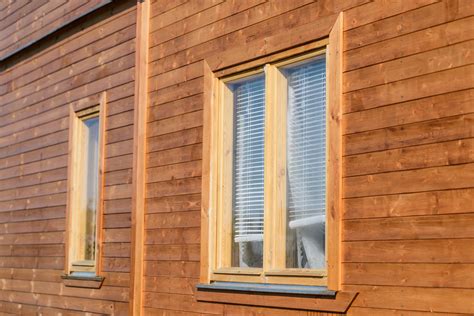
When it comes to enhancing your home’s exterior, wood siding stands out as a timeless choice that merges beauty with functionality. Offering a warm and inviting aesthetic, wood siding not only elevates your home’s curb appeal but also serves as a testament to quality craftsmanship.
In this article, we will explore the myriad benefits of choosing wood siding for your home, from its cost-effective installation and durability to its eco-friendly materials and ability to enhance property value.
Whether you’re planning a renovation or a new build, understanding these advantages will help you make an informed decision that aligns with your vision and values. Join us as we delve into how wood siding can be a transformative addition to any home.
Understanding The Benefits Of Wood Siding For Your Home’s Aesthetics
One of the most significant benefits of choosing wood siding for your home is its exceptional aesthetic appeal. Wood siding offers a warm, inviting look that enhances the overall appearance of any property. Its versatility allows homeowners to select from a range of styles, colors, and finishes, enabling them to match their siding with their desired architectural design.
Additionally, wood siding provides a natural beauty that synthetic materials often cannot replicate. The unique grain patterns and textures of wood create a dynamic facade that can evolve over time, further enhancing the home’s visual interest. Whether you prefer a traditional look with painted clapboard or a more rustic atmosphere with stained cedar shingles, wood siding can accommodate various personal styles.
Another aesthetic advantage of wood siding is its ability to age gracefully. Over time, wood can develop a patina that many find attractive, giving homes character and charm. This characteristic adds to the curb appeal, helping your home stand out in the neighborhood while also increasing its value.
Moreover, wood siding is an ideal canvas for personal expression. Homeowners can easily modify or repaint their wood siding to keep up with changing design trends or personal taste, ensuring that their home remains stylish and current.
The aesthetic benefits of wood siding extend beyond mere looks; they contribute to the home’s overall ambiance and allow for endless customization options that reflect the owner’s personality. Wood siding is a wise choice for those looking to enhance the visual appeal of their homes.
Cost-Effective Solutions: The Benefits Of Wood Siding Installation
When it comes to home renovations and improvements, the choice of siding can significantly impact not only the aesthetic appeal of your property but also its overall cost-effectiveness. One of the standout options is wood siding, which offers a variety of financial advantages that make it a compelling choice for homeowners.
Firstly, the benefits of wood siding installation include its affordability compared to other siding materials. While some homeowners might initially perceive wood siding as an expensive option, the long-term savings it can generate make it a savvy investment. Wood siding tends to have a lower upfront cost than vinyl or brick siding, making it an attractive choice for those working within a budget.

Another important aspect is the ease of installation. Wood siding is generally lighter and easier to handle than other materials, which can reduce labor costs during installation. When homeowners opt for wood siding, they may find that the overall project time is decreased, further minimizing labor expenses.
Furthermore, wood siding is a versatile option that allows for various finishing techniques. Homeowners can choose to finish wood with paint or stain, which not only enhances its natural beauty but also offers the potential for periodic refinishing at a lower cost than replacing entire siding sections. This flexibility can lead to substantial cost savings over time.
Wood siding typically has good insulation properties, helping to keep energy bills down. By improving your home’s energy efficiency, wood siding indirectly contributes to lower heating and cooling costs, providing additional benefits over its lifespan.
When considering cost-effective solutions, the long-term savings, ease of installation, versatility, and energy efficiency of wood siding installation make it a financially wise choice for homeowners looking to enhance their property.
Durability And Longevity: The Benefits Of Choosing Wood Siding
Choosing wood siding for your home not only enhances its aesthetic appeal but also brings significant benefits in terms of durability and longevity. One of the primary advantages is the natural resilience of wood, which can withstand various weather conditions when properly maintained. Given the right treatment and regular upkeep, wood siding can last for decades, making it a practical investment for homeowners.
Moreover, wood siding has the ability to resist damage from harsh environmental factors. Unlike some synthetic materials, wood can breathe, allowing moisture to escape and preventing rot and mildew development. Regular inspection and maintenance, such as sealing and painting, can further extend the lifespan of wood siding significantly.
Additionally, wood siding tends to have a low carbon footprint compared to other materials. As a renewable resource, responsibly sourced wood minimizes environmental impact and contributes to sustainability. This factor not only enhances the durability of the material itself but also aligns with eco-friendly building practices.
In summary, the benefits of choosing wood siding include not only its appealing look but also its long-lasting durability when coupled with proper care. Investing in wood siding ensures that your home remains attractive and protected for years to come, providing both immediate and long-term advantages.

Eco-Friendly Materials: Exploring The Benefits Of Wood Siding
When it comes to building materials, sustainability is a growing concern for homeowners. Choosing wood siding not only enhances the aesthetic appeal of a house but also aligns with eco-friendly practices. Here are some of the prominent benefits of opting for wood siding as a sustainable material:
- Renewable Resource: Wood is a renewable resource, especially when sourced from sustainably managed forests. This attribute plays a crucial role in maintaining ecological balance.
- Carbon Sequestration: Wood has the unique ability to store carbon dioxide, reducing the amount of CO2 in the atmosphere. Using wood siding can therefore contribute positively to combating climate change.
- Lower Energy Consumption: The manufacturing process of wood siding requires significantly less energy compared to synthetic materials. This means a lower carbon footprint and energy-efficient choices for homeowners.
- Biodegradable: Unlike many other siding materials, wood siding is biodegradable. At the end of its life cycle, it can decompose naturally without harming the environment.
- Natural Insulation: Wood is a natural insulator, which can help reduce heating and cooling costs. High-quality wood siding can lead to energy savings, contributing to a more sustainable home.
By choosing wood siding, homeowners are not just making a design choice but also taking a significant step towards a more sustainable and eco-friendly living environment. With its blend of aesthetic appeal and the benefits of being environmentally friendly, wood siding remains an excellent option for those looking to enhance both their home and the planet.
Enhancing Property Value: The Long-Term Benefits Of Wood Siding
One of the most significant advantages of choosing wood siding for your home is its potential to enhance property value over time. Homebuyers are often attracted to the natural beauty and charm that wood siding offers, making it an appealing feature during the selling process. Here are several key points that highlight how wood siding contributes to long-term property value:
- Timeless Appeal: Wood siding provides a classic look that can complement various architectural styles, from traditional to contemporary. This aesthetic versatility ensures that homes with wood siding remain attractive to a broad range of buyers.
- Market Demand: Homes with quality wood siding are often perceived as higher quality and better maintained. This perception can lead to increased demand, making your property more competitive in the real estate market.
- Resale Value: According to various real estate studies, homes with wood siding can sell for a premium compared to those with vinyl or aluminum siding. This is particularly true in markets where natural materials are preferred.
- Improved Curb Appeal: The beauty of wood siding can enhance a home’s curb appeal, making it more inviting. First impressions are crucial, and homes with attractive exteriors tend to attract more prospective buyers.
- Energy Efficiency: Quality wood siding can improve insulation, which often translates into lower energy bills. Buyers are increasingly interested in energy efficiency, which can make your property more desirable.
Investing in wood siding not only enhances your home’s beauty but also contributes significantly to its long-term value. Homeowners looking to maximize the return on their investment should consider the numerous benefits that wood siding offers in terms of property value.

Frequently Asked Questions
What are the primary benefits of wood siding?
Wood siding offers natural beauty, excellent insulation properties, and versatility in design. It can complement various architectural styles, making homes more aesthetically pleasing.
Is wood siding environmentally friendly?
Yes, wood siding is a sustainable choice as it is a renewable resource. When sourced responsibly, it can have a lower environmental impact compared to other siding materials.
How does wood siding compare to vinyl siding?
While vinyl siding is low-maintenance and cost-effective, wood siding provides better insulation, a more natural appearance, and can increase a home’s resale value. However, wood does require regular maintenance to protect it from the elements.
What types of wood are commonly used for siding?
Common types of wood used for siding include cedar, redwood, pine, and fir, each offering different aesthetics and durability levels.
What maintenance does wood siding require?
Wood siding requires regular inspections, sealing, or painting every few years to protect against moisture, pests, and UV damage. Proper maintenance can extend its lifespan significantly.
Can wood siding help with energy efficiency?
Yes, wood siding provides natural insulation and can help regulate indoor temperatures, potentially reducing energy consumption when combined with proper insulation techniques.
What are the costs associated with installing wood siding?
The cost of wood siding can vary based on the type of wood, design, and installation complexity, but it generally falls within the mid to upper price range compared to other siding options. It is an investment that pays off in aesthetics and durability.
Leave a Reply