
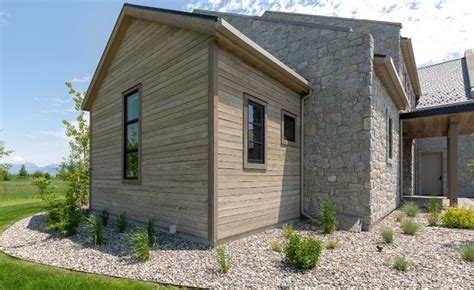
In an era where sustainability is at the forefront of home improvements, homeowners are increasingly seeking eco-friendly solutions that do not compromise on quality or aesthetics. Enter wood siding—an exceptional choice that merges environmental responsibility with enduring beauty.
This article explores why wood siding stands out as a sustainable option, delving into its numerous benefits, including enhanced curb appeal and long-lasting durability.
As we navigate through the remarkable attributes of wood, from its environmentally friendly origins to practical maintenance tips, you’ll discover how this natural material not only elevates your home’s value but also aligns with your eco-conscious lifestyle. Join us as we unveil how selecting wood siding can transform your home into a sustainable haven while making a positive impact on the planet.
Why Wood: Understanding Its Environmental Benefits
Choosing wood siding for your home is not just a matter of aesthetics; it carries significant environmental benefits that align with sustainable living. One of the primary reasons wood is considered a sustainable material is its renewability. Unlike synthetic siding products, wood is sourced from trees, which can be replanted and harvested in a sustainable manner if managed properly. This cycle supports the ecosystem, provided that the forests are managed responsibly.
Moreover, wood has a lower carbon footprint when compared to other construction materials. Trees absorb carbon dioxide as they grow, which means using wood in construction can actually help reduce greenhouse gases in the atmosphere. By opting for wood siding, homeowners contribute to a carbon-neutral cycle, as the wood continues to store carbon even when used in building structures.
Wood is also biodegradable. In the event of disposal, wood can decompose naturally without contributing to landfill waste, unlike many composite materials that remain in landfills for centuries. This quality makes wood an excellent choice for eco-conscious homeowners who prioritize sustainability.
Additionally, wood sourcing can promote biodiversity. Sustainable forestry practices are designed to minimize the ecological impact of logging, allowing diverse plant and animal species to thrive while still meeting human demands for timber. This balance between industry and nature fosters healthier ecosystems in the long run.
When considering why wood is favored for siding, it becomes clear that its environmental benefits are substantial. From its renewability to its ability to lower carbon footprint and promote biodiversity, choosing wood siding is a choice that not only elevates a home’s appearance but also supports responsible environmental stewardship.
The Durability of Wood Siding: A Long-Lasting Investment
When it comes to siding options, Why Wood stands out not only for its aesthetic appeal but also for its exceptional durability. Properly maintained wood siding can last for decades, making it a wise long-term investment for homeowners. One of the key factors contributing to the durability of wood siding is its inherent ability to withstand various environmental conditions.
High-quality wood siding, particularly when treated with finishes, offers excellent resistance to moisture, UV rays, and temperature fluctuations, which can otherwise lead to warping, cracking, or fading. Unlike other siding materials that may require frequent replacement, wood siding can be refurbished effectively, giving it a new lease on life every few years with a simple sanding and repainting.
Additionally, wood siding has a natural elasticity, allowing it to flex with changing temperatures. This characteristic helps to prevent damage from snow, ice, and heavy rains, which can be detrimental to more rigid siding options. When installed properly, wood siding boards can also facilitate good airflow, reducing the risk of mold and mildew buildup, further enhancing their longevity.

Overall, investing in wood siding is a decision grounded in the pursuit of durability and sustainability. By choosing a quality wood product and adhering to regular maintenance schedules, homeowners can reap the benefits of a resilient exterior that not only performs well but also continues to contribute positively to the environment for years to come.
How Wood Siding Enhances Home Aesthetics and Value
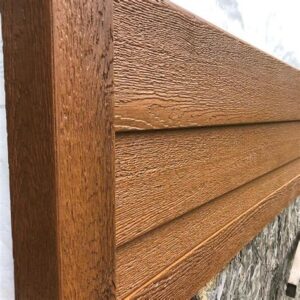
Wood siding is an exceptional choice for homeowners looking to elevate the appearance and overall value of their properties. One of the most compelling aspects of Why Wood is its inherent beauty. Wood comes in an array of colors, textures, and grain patterns, allowing homeowners to choose the perfect style to fit their architectural preferences and personal tastes. Whether it’s the rustic charm of cedar or the sleek finish of pine, wood siding can significantly enhance the visual appeal of a home.
Additionally, wood siding offers a warm and inviting aesthetic that often outshines synthetic materials. This natural look has a timeless quality that resonates with potential buyers, making homes with wood siding more attractive on the real estate market. As a result, homes with wood siding tend to have a higher resale value compared to those clad in less visually appealing materials.
Another key benefit of wood siding is its versatility. It can be painted or stained to adapt to changing trends or personal preferences, further increasing its value and appeal over time. Homeowners can easily refresh their home’s look without the need for an entire renovation, simply by updating the color or finish of the wood siding.
Moreover, wood siding can complement landscaping and outdoor features, creating a cohesive and harmonious look. This connection between the home and its natural surroundings not only enhances aesthetics but also contributes to a sense of tranquility and balance.
Selecting wood siding not only boosts the beauty of a home but also significantly contributes to its overall value. When considering options for a sustainable and visually appealing exterior, homeowners would do well to remember the numerous benefits wood provides.
Why Wood Is a Sustainable Choice for Eco-Conscious Homeowners
Choosing materials for home construction and renovation can significantly impact the environment. When considering sustainable options, Why Wood emerges as a leading choice, reflecting both eco-conscious sensibilities and aesthetic appeal.
First and foremost, wood is a renewable resource. Unlike many building materials derived from finite sources, responsibly sourced wood comes from managed forests that are continuously replanted and nurtured. This cycle of growth and regrowth helps maintain biodiversity and reduces carbon footprint, making it an ideal choice for those concerned about their environmental impact.
Additionally, wood has a lower embodied energy compared to alternatives like steel or concrete. This means that the total energy consumed throughout the production, transportation, and construction of wood siding is considerably less, minimizing greenhouse gas emissions. By selecting wood siding, homeowners are actively reducing their household’s carbon emissions.
Another compelling reason to opt for wood is its natural ability to store carbon. Trees absorb carbon dioxide as they grow, and when wood is used in construction, that carbon remains sequestered, helping to mitigate climate change. This property further underscores Why Wood is a sustainable option for those committed to an eco-friendly lifestyle.
In addition to its environmental advantages, wood siding can contribute to energy efficiency. Properly installed wood siding with appropriate insulation can help regulate indoor temperatures, reducing the reliance on heating and cooling systems. This not only conserves energy but also translates into cost savings for homeowners over time.
By selecting wood, homeowners are often supporting local economies and practices. Many sustainable forestry companies emphasize local sourcing and ethical practices, contributing to community welfare while ensuring that environmentally friendly practices are maintained. This connection enhances the overall value of choosing wood, aligning with the principles of eco-conscious living.
The benefits of selecting wood siding as a sustainable choice for homeowners extend beyond aesthetics and durability; it reflects a commitment to environmental stewardship. By understanding Why Wood is a sustainable choice, homeowners can make informed decisions that support both their residences and the planet.
Maintenance Tips to Maximize Your Wood Siding’s Lifespan
To ensure that your wood siding remains in good condition and lasts for many years, it’s essential to implement proper maintenance practices. Here are some effective tips to help you take care of your siding:
- Regular Cleaning: Dust, dirt, and grime can accumulate on the surface of your wood siding. Clean it at least once a year using a gentle cleanser and a soft brush to prevent mold and mildew growth.
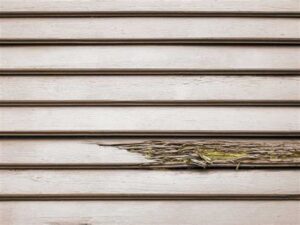
- Inspect for Damage: Conduct routine inspections for signs of damage such as cracks, rot, or insect infestations. Address these issues promptly to prevent further deterioration.
- Repainting or Staining: Depending on the type of wood and finish used, you may need to repaint or stain your siding every 5 to 7 years. This will help protect the wood from moisture and UV exposure while enhancing its aesthetic appeal.
- Sealant Application: Use a high-quality sealant to protect your siding from weather elements. Sealant should be reapplied every few years, especially in areas with harsh weather conditions.
- Proper Ventilation: Ensure that your siding is correctly ventilated to minimize moisture buildup, which can lead to wood rot. Maintain airflow around your home’s exterior to facilitate moisture evaporation.
- Trim Vegetation: Keep trees and shrubs trimmed back from your wood siding. Overgrown plants can trap moisture against the wood and provide a pathway for pests.
By following these maintenance tips, homeowners can ensure their wood siding remains aesthetically pleasing and structurally sound, ultimately confirming the choice of Why Wood is a wise investment for sustainability and practicality.
Frequently Asked Questions
What are the environmental benefits of choosing wood siding?
Wood siding is a renewable resource, as trees can be replanted after cutting. It also has a lower carbon footprint compared to synthetic materials, helping to reduce greenhouse gas emissions.
How does wood siding contribute to energy efficiency?
Wood has natural insulating properties, which can help reduce heating and cooling costs. By improving the home’s energy efficiency, wood siding lowers energy consumption over time.
Is wood siding durable and low maintenance?
Yes, when properly treated and maintained, wood siding can last for decades. Regular maintenance such as staining or painting can enhance both its lifespan and appearance.
What types of wood are commonly used for siding?
Common types include cedar, pine, redwood, and fir. Each type has its own unique attributes in terms of durability, aesthetics, and resistance to insects and decay.
How does wood siding affect a home’s resale value?
Wood siding often enhances curb appeal, which can increase a home’s resale value. Many potential buyers appreciate the natural look and traditional appeal of wood.
What are some sustainable practices for sourcing wood siding?
Look for wood that is certified by organizations like the Forest Stewardship Council (FSC) to ensure it is sourced sustainably. Additionally, consider using reclaimed wood.
Can wood siding be recycled at the end of its life?
Yes, wood siding can often be recycled or repurposed, making it an environmentally friendly choice even at the end of its lifespan.
Leave a Reply