
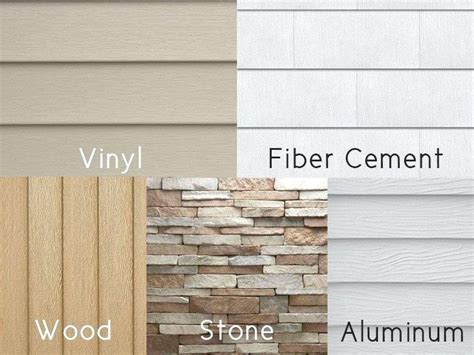
When it comes to enhancing the charm and durability of your home, choosing the right wood siding is a critical decision, especially influenced by your local climate. Different environmental conditions can significantly affect the lifespan and appearance of wood siding, making it essential to select materials that suit your specific needs.
This article serves as a comprehensive guide to help you navigate the complexities of wood siding selection. From understanding how climate impacts durability to evaluating aesthetic preferences and maintenance requirements, we’ll provide valuable insights that balance style with functionality.
Additionally, we’ll discuss budget considerations to ensure you find cost-effective solutions that don’t compromise quality. Read on to discover how to make an informed choice in wood siding that not only beautifies your home but also stands the test of time.
Understanding Your Climate’s Impact On Wood Siding Durability
When considering wood siding for your home, it is crucial to understand how your local climate can affect its durability. Different climates come with varying levels of moisture, temperature fluctuations, and UV exposure, all of which can influence the lifespan and maintenance requirements of wood siding.
In regions with high humidity, such as the Southeast United States, wood siding is more prone to mold and rot. This calls for selecting a type of wood with natural resistance to moisture, like cedar or redwood, and possibly applying protective coatings to enhance durability. Additionally, regular inspections and maintenance will be essential to ensure the siding remains in good condition over time.
Conversely, in dry and arid climates, wood siding may suffer from cracking and warping due to prolonged exposure to the sun. Choosing a wood type that is dense and less likely to dry out, along with implementing UV protective finishes, can help mitigate these issues. It’s also beneficial to consider siding that can expand and contract with temperature changes to maintain its structural integrity.
Areas that experience extreme winter conditions warrant a different approach. Here, insulation properties and the potential for ice dams can impact wood performance. Selecting wood siding with a high insulation rating can protect against severe temperature fluctuations and prevent damage caused by ice and snow accumulation.
Understanding your specific climate conditions is vital when selecting wood siding. This knowledge not only enhances the longevity and aesthetics of your home’s exterior but also helps you make informed decisions that align with your maintenance capabilities and budget. Remember, choosing the right wood siding involves balancing durability against the environmental challenges posed by your climate.
How To Identify The Best Wood Siding Types For Your Environment
Choosing the right wood siding is critical to its performance and longevity, particularly in relation to your local climate. Here’s how to identify the best wood siding types for your environment:
- Consider Local Weather Conditions: Different wood species perform better in varying climates. For example, Cedar and Redwood are known for their natural resistance to moisture, making them excellent for humid regions.
- Evaluate Temperature Extremes: If you live in an area with extreme temperature fluctuations, look for wood siding types that are stable and less prone to warping. Hardwoods, such as Oak, are generally more durable in these conditions.
- Assess Exposure to Elements: Areas that experience high wind, rain, or snow may benefit from siding materials treated or rated for such exposure. Engineered wood siding products may offer additional protection against these elements.
- Understand Termite and Pest Risks: Certain regions are more susceptible to pest damage. If you reside in a high-risk area, consider wood species that are naturally pest-resistant or opt for treated wood siding.
- Research Local Building Codes: Always check local building regulations, as they may specify certain siding types or treatments that are best suited for your environment.
By understanding the environmental factors that will impact your choice, you’ll be better prepared to select wood siding that not only meets your aesthetic desires but also provides durability and functionality in your specific climate.

Evaluating Aesthetic Preferences: Balancing Style And Functionality
When selecting wood siding for your home, it’s crucial to consider not only its durability and maintenance needs but also how it complements the overall aesthetic of your property. Finding the right balance between style and functionality can enhance your home’s curb appeal while ensuring it withstands the elements. Here are some key factors to keep in mind:
- Architectural Style: The design of your home should guide your choice of siding. For example, traditional homes may look better with clapboard or shingle siding, while modern designs might favor sleek, sanded surfaces.
- Finish and Color: Wood siding comes in a variety of finishes, from natural stains to painted options. Consider the color palette of your home and choose finishes that provide visual harmony while also protecting against the climate’s effects.
- Texture: The texture of wood siding can greatly influence the overall look. Smooth finishes may lend a contemporary aesthetic, while rough-sawn surfaces emphasize a rustic charm.
- Consistency: Ensure that the wood siding you choose aligns with other design elements of your home, including trim, roofing, and landscaping. A consistent material palette can create a cohesive look.
- Environmental Integration: Consider how the siding interacts with its surrounding environment. Siding that mimics natural elements can blend seamlessly with wooded areas or coastal settings.
Understanding how to evaluate your aesthetic preferences will lead you to a wood siding choice that not only looks great but also performs well in your specific climate conditions.
Maintenance Requirements: Ensuring Longevity Of Your Wood Siding
To extend the lifespan of your wood siding, regular maintenance is essential. The varying climates can impose different challenges on wood materials, making it crucial to adopt a maintenance routine suited to your specific environment.
Here are key maintenance requirements to consider:
- Regular Inspections: Conduct thorough inspections bi-annually to check for cracks, rot, mold, or insect damage. Early detection can save you considerable repair costs.
- Cleaning: Clean your wood siding with a mixture of water and mild detergent to remove dirt and prevent mold buildup. A pressure washer can be used, but ensure to set it to a low pressure to avoid damaging the wood.
- Sealing and Finishing: Reapply sealant or wood stain every 2-5 years, depending on your climate and the type of wood used. This will protect against UV rays and moisture, which can cause the wood to warp or fade.
- Addressing Repairs Promptly: If you notice any damages, such as split or missing boards, replace or repair them immediately to prevent further deterioration.
- Ventilation and Drainage: Ensure proper air circulation around your home and good drainage away from the siding to minimize moisture retention, which can lead to rot.
By incorporating these maintenance practices, you’ll not only enhance the visual appeal of your siding but also significantly boost its durability, making it a sustainable choice in your home’s construction and design. Remember, knowing how to maintain your wood siding is just as vital as selecting the right type for your climate.
Budget Considerations: Finding Cost-Effective Wood Siding Solutions
When it comes to selecting wood siding for your home, keeping an eye on your budget is crucial. There are various factors to consider to ensure you get the best value for your investment while still meeting your needs.
How to begin with budget considerations? Start by researching the cost of various types of wood siding available in your area. Different woods can vary significantly in price, so it’s essential to understand the price range for each option. Common siding materials include pine, cedar, and redwood, with cedar typically being more expensive due to its resistance to decay.
Next, factor in the long-term costs associated with maintenance and replacement. While some lower-cost materials might seem appealing, they may require more frequent upkeep or replacements, leading to higher expenses over time. Investing in high-quality wood siding could provide significant savings by minimizing repair costs.
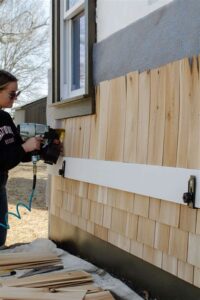
Your installation method also affects the overall budget. If you plan to do the installation yourself, this can save you a significant amount of money compared to hiring professionals. However, if you’re not experienced in home improvement tasks, hiring a professional might be a cost-effective choice in the long run, ensuring the siding is installed correctly and reducing future maintenance needs.
- Research and compare prices of different wood types.
- Consider the total cost of ownership, including maintenance.
- Weigh the pros and cons of DIY installation versus hiring professionals.
Look for any potential wood siding suppliers or manufacturers that offer discounts or promotions. Buying in bulk or during off-peak seasons can often lead to significant savings. It’s always wise to ask about warranty options as well—this could save you money in repairs and replacements should issues arise.
By carefully analyzing these aspects, you can make informed decisions about your wood siding choice while adhering to your budget and achieving the aesthetic and functional goals you desire for your home.
Frequently Asked Questions
What factors should I consider when choosing wood siding for my climate?
When selecting wood siding, consider factors such as the local weather patterns, humidity levels, temperature variations, and potential for extreme weather events. These elements will determine the type of wood and treatment processes that will best withstand your climate.
Are all types of wood siding suitable for every climate?
No, not all types of wood siding are suitable for every climate. For instance, cedar and redwood are more resistant to moisture and insects, making them better choices for humid climates. Hardwoods like oak may be more suitable for drier areas.
How does humidity affect wood siding?
Humidity can cause wood siding to expand and contract, leading to warping, splitting, or cracking. Therefore, it’s essential to choose wood that can tolerate high moisture levels and to ensure proper installation and maintenance for humid climates.
What type of treatments can enhance the durability of wood siding?
Using water-repellent preservatives, stains, and sealants can significantly enhance the durability of wood siding. These treatments provide protection against moisture, UV rays, and pests, extending the lifespan of the siding.
Is there a specific wood siding recommended for regions with extreme temperatures?
For regions with extreme temperatures, such as high heat or severe cold, wood siding that is naturally dense and well-treated is recommended. Woods like mahogany or cypress are typically better choices due to their resistance to temperature fluctuations.
How often should wood siding be maintained in different climates?
Maintenance frequency can vary by climate. In humid or wet areas, more frequent checks (every 1-2 years) for rot or damage are advised, while drier climates may require less frequent maintenance (every 3-5 years) depending on exposure to elements.
Can I mix different types of wood siding for aesthetic purposes in my home design?
Yes, you can mix different types of wood siding for aesthetic purposes. However, ensure that the woods used are suitable for your climate and that they are treated appropriately to withstand the environmental conditions.
Leave a Reply