
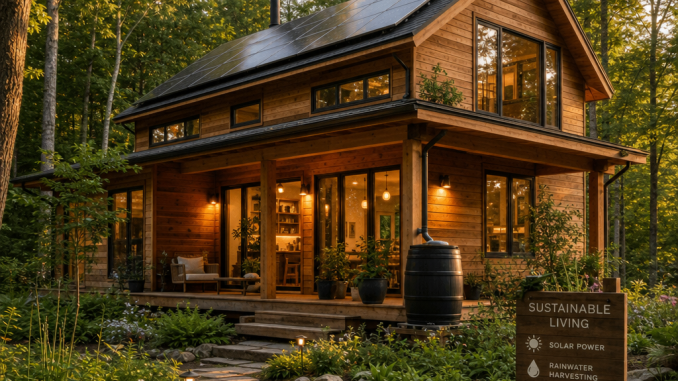
Wood siding is rapidly becoming a favored choice for homeowners seeking sustainable building materials that blend beauty with eco-friendliness. As a renewable resource, wood siding not only enhances the aesthetic appeal of a home but also significantly contributes to energy efficiency and reduced carbon footprints. Choosing eco-friendly siding options like this means supporting local economies while minimizing environmental impact, making it a win-win for both property owners and nature. The many wood siding benefits include its biodegradability, ensuring that when your home is no longer standing, the materials will safely decompose and nourish the earth. In a world where sustainability is paramount, wood siding stands out as both a stylish and responsible investment for the modern homeowner.
In the realm of home exteriors, timber cladding is emerging as a premier option for those focused on eco-conscious living. Often referred to as an environmentally friendly façade, timber provides all the visual charm of traditional siding while aligning with green building initiatives. This natural finish not only pleases the eye but also presents an attractive alternative to synthetic materials, supporting the use of biodegradable materials that benefit the planet. By incorporating wooden panels into your home design, you are opting for a renewable alternative that dovetails nicely with energy-saving practices and bolsters local economies. As awareness of sustainable choices becomes more critical, the case for timber cladding strengthens, solidifying its place as a necessary component in responsible home construction.
The Sustainable Nature of Wood Siding
Wood siding stands out as a sustainable building material for many reasons. Firstly, it is a renewable resource; each tree that is cut down for wood siding can be replaced by planting new ones, making it a replenishable option. This aspect of wood facilitates a balance in local ecosystems, unlike non-renewable materials such as vinyl or aluminum, which contribute to habitat destruction and environmental degradation. Additionally, responsible sourcing practices, like certification from the Forest Stewardship Council (FSC), ensure that the wood is harvested from sustainably managed forests, thereby promoting sustainable forestry and conservation.
Moreover, choosing wood siding often signifies a commitment to preserving our natural environment. The process of growing trees aids in carbon sequestration, absorbing carbon dioxide from the atmosphere, which is essential in the fight against climate change. Thus, opting for wood siding does not merely favor aesthetics but embodies a conscious effort toward adopting sustainable living practices that positively impact the planet.
Energy Efficiency: The Hidden Benefit of Wood Siding
When considering exterior finishes, energy efficiency is a critical aspect that often goes unnoticed. Wood siding naturally exhibits insulating properties, making homes warmer in winter and cooler in summer. This efficiency translates to reduced energy consumption throughout the year, resulting in lower heating and cooling costs for homeowners. While many materials promote energy savings, wood siding’s natural ability to regulate temperature far surpasses synthetic alternatives, offering a more cost-effective and sustainable option.
In the long run, the energy benefits associated with wood siding not only contribute to personal savings but also to a more sustainable lifestyle. By decreasing reliance on heating and cooling systems, homeowners can significantly reduce their carbon footprints. This factor alone provides a compelling argument for choosing wood siding over other options, emphasizing the need for environmentally friendly solutions in construction and home renovations.
Biodegradability: Why Wood Siding is an Eco-Friendly Choice
One of the impressive attributes of wood siding is its biodegradable nature. Unlike synthetic materials, which can linger in landfills for hundreds of years, wood naturally decomposes and integrates back into the ecosystem. This quality is paramount for homeowners looking to minimize their environmental impact. Choosing wood siding helps in promoting a circular economy where building materials can be reincorporated into the environment, thus fostering sustainable resource cycles.
Furthermore, the potential for reusing or recycling wood siding further enhances its eco-friendliness. When it reaches the end of its life, it can often be repurposed into furniture, mulch, or other construction materials rather than being discarded. This ability to sustain itself within the resource loop is a notable benefit that other siding materials like vinyl lack, positioning wood siding as a leading choice for environmentally conscious homeowners.
Supporting Local Economies with Wood Siding
Choosing locally sourced wood siding not only supports sustainable practices but also bolsters local economies. By purchasing from local mills and suppliers, homeowners help create jobs and sustain livelihoods within their communities. This economic benefit is essential in today’s global market, where many industries are dominated by large corporations that overlook local needs. Investing in local resources fosters a sense of community and gives homeowners a closer connection to the materials used in their homes.
Additionally, promoting local sources directly impacts the environment by reducing transportation emissions associated with importing materials from distant locations. Shortening the supply chain strengthens local economies and encourages community stewardship of natural resources, fostering responsible consumption and sustainable practices. Homeowners can take pride in their contribution to their local economies while simultaneously making a choice that reflects their commitment to sustainability.
Enhancing Indoor Air Quality with Wood Siding
Beyond its aesthetic appeal and environmental advantages, wood siding offers significant health benefits, particularly in terms of indoor air quality. Studies have shown that natural wood can help regulate humidity levels, absorbing excess moisture and releasing it when needed. This balance not only prevents issues such as mold growth but also contributes to a healthier living environment, especially for those suffering from respiratory conditions like asthma or allergies.
Moreover, because wood is a natural material, it avoids the release of harmful chemicals that can be common in synthetic siding options. By selecting wood siding, homeowners actively choose a healthier indoor atmosphere that reduces airborne pollutants and improves overall air quality. These health benefits make wood siding not just an eco-friendly choice but also a smart decision for enhancing living conditions.
The Aesthetic Appeal of Wood Siding: A Natural Choice
Wood siding provides a unique aesthetic that cannot be replicated by synthetic materials. The natural variations in wood grain, texture, and color add character and warmth to homes, making them visually appealing while reflecting the beauty of nature. This organic look is increasingly sought after in modern architecture, as homeowners desire more than just functionality but also a harmonious connection with their surroundings.
Furthermore, the use of wood siding stimulates an appreciation for nature and sustainability within communities. Homes that showcase natural materials can inspire others to consider eco-friendly options, leading to broader community initiatives that prioritize sustainable building. By choosing wood siding, homeowners not only beautify their properties but also advocate for an environmental movement towards using materials that complement our natural landscapes.
The Low Maintenance Factor of Modern Wood Siding
One of the attractive features of modern wood siding is its low maintenance requirements, specifically due to the advancements in protective treatments and finishes. These treatments enhance the durability of wood siding, reducing the frequency and costs associated with upkeep. A well-maintained wood siding can last decades, minimizing waste resulting from frequent replacements that are common with less durable siding materials.
Opting for quality wood siding significantly cuts down on the environmental impact associated with production and disposal. By investing in durable products, homeowners lessen the demand for new materials and contribute to a more sustainable building cycle. In an age where minimizing waste is increasingly crucial, the longevity and low maintenance aspects of wood siding make it a wise ecological choice.
Frequently Asked Questions
What are the environmental benefits of wood siding?
Wood siding offers several environmental benefits, including being a renewable resource that helps reduce greenhouse gas emissions. It is also biodegradable, meaning it can decompose naturally without contributing to landfill waste. Additionally, wood siding promotes energy efficiency due to its natural insulating properties, leading to lower energy consumption in homes.
How does wood siding contribute to energy efficiency?
Wood siding enhances energy efficiency due to its natural insulating properties, which help maintain stable indoor temperatures. This results in reduced heating and cooling costs, allowing homeowners to save energy and minimize their carbon footprint.
Is wood siding a sustainable choice for eco-friendly siding?
Yes, wood siding is a sustainable choice for eco-friendly siding. It is sourced from renewable forests and is biodegradable. When selected from certified sources, it ensures responsible forestry practices, making it a preferred option for green building.
Can wood siding help support local economies?
Absolutely! Choosing locally sourced wood siding supports local economies by creating jobs and promoting sustainable forestry practices within the community. This decision not only enhances local markets but also fosters a connection between consumers and their resources.
What are the long-term maintenance benefits of wood siding?
Modern wood siding requires minimal maintenance due to protective treatments that enhance its durability. Quality wood siding can last for decades, reducing the need for frequent replacements and contributing to less environmental waste over time.
How does wood siding compare to synthetic materials in terms of biodegradability?
Unlike synthetic materials, such as vinyl or metal siding, wood siding is biodegradable, returning nutrients to the soil as it decomposes. This makes wood a more environmentally friendly option as it supports a circular economy by minimizing landfill waste.
What role does wood siding play in promoting sustainable building practices?
Wood siding plays a significant role in promoting sustainable building practices by utilizing renewable resources, providing energy efficiency, and supporting local economies. Its aesthetic appeal also encourages the use of natural materials, furthering the movement towards sustainable construction.
| Key Point | Description |
|---|---|
| Renewable Resource | Wood siding is made from trees that absorb CO2, helping reduce greenhouse gases. |
| Energy Efficiency | Wood siding provides excellent insulation, lowering energy consumption and costs. |
| Biodegradable and Recyclable | Wood naturally decomposes, returning nutrients to the soil, and can be reused or recycled. |
| Low Carbon Footprint | Wood production generally has a low environmental impact compared to synthetic materials. |
| Aesthetic and Natural Appeal | Wood offers a unique beauty that enhances a home’s character and promotes community. |
| Low Maintenance and Longevity | Modern treatments extend the lifespan of wood siding and reduce the need for replacements. |
| Supports Local Economies | Buying local wood siding helps strengthen local economies and promotes sustainable practices. |
| Health Benefits | Wood siding can improve indoor air quality by regulating humidity. |
Summary
Wood siding stands as one of the most compelling choices for environmentally conscious homeowners. The numerous environmental benefits of wood siding not only cater to aesthetic preferences but also embrace sustainable practices that are crucial in today’s eco-aware society. By opting for wood siding, homeowners can significantly reduce their carbon footprint, support local economies, and enhance their living spaces with natural beauty. As we strive towards greener living, wood siding emerges as the responsible choice that aligns both beauty and environmental ethics, making it a wise investment for the future.
Discover Autowp, the ultimate AI content generator and AI content creator plugin for WordPress that revolutionizes the way you produce content. With Autowp, you can effortlessly create high-quality articles, blog posts, and more, all tailored to your audience’s needs. Say goodbye to writer’s block and let our advanced AI technology do the heavy lifting for you. Get started today by visiting Autowp.app and unlock your content creation potential! To remove this promotional paragraph, upgrade to Autowp Premium membership.
Leave a Reply