
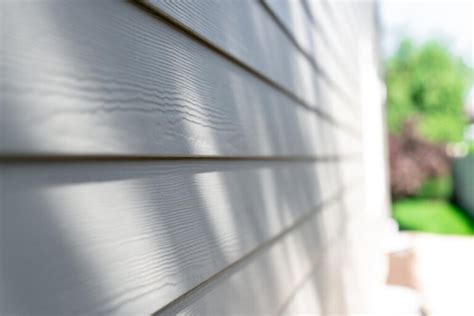
When it comes to enhancing the exterior of your home, wood siding remains a timeless choice, offering both aesthetic charm and practical benefits. However, with a myriad of textures and finishes available, selecting the right option can be a daunting task. In this article, we will delve into the different wood siding textures—examining their unique appeal and functional advantages.
We will also evaluate various finishes, highlighting their impact on durability and maintenance. Additionally, we’ll provide guidance on choosing the ideal texture to complement your home’s architecture while also addressing cost efficiency.
Whether you’re embarking on a new construction project or considering a renovation, understanding these factors will help you make an informed decision that adds lasting value to your property. Dive in, and discover how to elevate your home’s curb appeal with the perfect wood siding textures and finishes.
Understanding The Basics Of Wood Siding Textures
Wood siding textures play a significant role in enhancing the aesthetic appeal of a home while also contributing to its overall durability and maintenance needs. When comparing different wood siding textures, it is essential to understand the characteristics that define each type. Here are some key textures commonly found in wood siding:
- Lap Siding: Often known for its horizontal design, lap siding features overlapping boards that create a classic look. This texture is versatile and complements various architectural styles.
- Board-and-Batten: This texture consists of wide boards with narrow battens over the joints. It is popular for its rustic appearance and can add height to structures.
- Shiplap: Shiplap siding features a groove cut into the edges of the boards which allows them to fit together snugly. This texture achieves a sleek, modern look and provides robust weather resistance.
- Wood Shake: Wood shakes are thicker than traditional shingles, resulting in a more rugged and textured appearance. This type of siding is often used in coastal areas due to its resilience against the elements.
- Vertical Siding: As the name suggests, vertical siding consists of boards installed vertically. This can create a striking visual impact and is particularly effective in contemporary designs.
Choosing the right texture involves considering not only the style of the home but also how each texture interacts with its surrounding environment. Some textures may hold up better against weather conditions, while others may require more maintenance over time. Thus, understanding these fundamental aspects will aid homeowners in selecting the most suitable wood siding for their specific needs, especially when comparing different options available in the market.
Comparing Different Textures: Aesthetic Appeal And Practical Benefits
When it comes to comparing different wood siding textures, it’s essential to consider both the aesthetic appeal and the practical benefits that each texture brings. Wood siding is highly versatile, and the choice of texture can significantly influence the overall appearance and functionality of a home.

One popular option is smooth wood siding, which provides a clean and modern look. Its sleek finish complements contemporary architecture and can be painted or stained in various colors. However, it may require more frequent maintenance to keep it looking pristine.
Alternatively, distressed or rough-sawn textures offer a rustic charm that can enhance the character of traditional or farmhouse-style homes. Such textures can effectively hide imperfections, making them a practical choice for homeowners who prefer a less polished look.
Another noteworthy texture is the shiplap design. This style creates a unique aesthetic with overlapping boards that add depth and dimension to the siding. Not only does shiplap enhance visual interest, but it also allows for efficient water runoff, promoting durability.
In terms of practical benefits, textured siding can provide enhanced insulation and acoustic properties. The varied surfaces can trap air, contributing to better energy efficiency and noise reduction within the home.
When comparing different wood siding textures, it’s vital to balance your aesthetic preferences with functional needs. Each texture brings a distinct personality to your home while offering unique advantages that cater to different lifestyles and maintenance capabilities.
Evaluating Finishes: How They Affect Durability And Maintenance
When comparing different wood siding options, the finish you choose plays a crucial role in determining both the longevity of the material and the level of maintenance it will require. Various finishes not only impact the aesthetic appeal of wood siding but also serve as protective barriers against environmental factors.
Here are some popular finishes, along with their effects on durability and maintenance:
- Stains: These penetrate the wood, enhancing its natural texture and color while providing some level of protection against moisture and UV rays. However, they may need to be reapplied every few years to maintain effectiveness and appearance.
- Paint: Offering a thicker barrier, paint protects against moisture and can shield the wood from rot and weather damage. However, paint can chip and peel, necessitating more frequent maintenance to keep it looking fresh. A well-prepared surface can prolong the life of painted finishes.
- Sealants: Clear sealants provide an additional layer of protection while maintaining the natural look of the wood. They help prevent water absorption and UV damage but must be reapplied regularly, typically every few years.
- Varnishes: While providing a durable finish, varnishes can create a glossy look that some may find unappealing for wood siding. It requires careful application and periodic maintenance to avoid yellowing or cracking.
When comparing different finishes for wood siding, consider factors such as climate, maintenance preferences, and the desired aesthetic for your home. A finish that complements both your siding texture and the architectural style of your home will go a long way in ensuring durability and reducing future upkeep efforts.
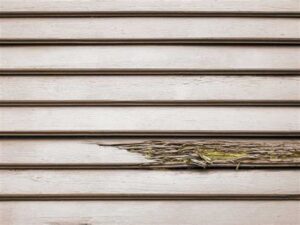
Choosing The Right Texture For Your Home’s Architecture
When it comes to comparing different wood siding textures for your home, understanding how each texture complements your architecture is essential. The right choice not only enhances aesthetic appeal but can also tie together design elements and improve overall curb appeal. Here are some considerations to keep in mind:
1. Architectural Style: Different architectural styles call for specific siding textures. For instance, traditional homes may benefit from a smooth or beveled texture, while rustic properties often shine with rough-sawn or knotty finishes. Knowing your home’s architectural style helps direct your texture selection.
2. Color Palette: The texture you choose can influence how colors are perceived. Textured finishes tend to highlight colors differently due to shadows and light play. If you’re opting for a bold color, a simpler texture might provide a clean backdrop, while intricate textures may suit more muted tones.
3. Environmental Context: Your home’s environment plays a role in texture choice. A home surrounded by a serene forest may look more at home with a natural, rugged finish, whereas a coastal property could benefit from a smoother, more contemporary texture that reflects the ocean’s waves.
4. Maintenance Considerations: Some textures may require more maintenance than others, affecting their long-term appeal. Be sure to factor this into your decision, especially if your home’s architecture features details that are already high-maintenance.
5. Regional Influences: Depending on your location, certain textures might be more common or historically appropriate. This consideration will not only help your home fit into the community better but also add to its value by maintaining a sense of place.
In summary, carefully comparing different wood siding textures in relation to your home’s architecture can improve its attractiveness and ensure better harmony with the surroundings. Whether you prioritize aesthetics, maintenance, or regional compatibility, choosing the right texture is a vital step in achieving your desired look.
Comparing Different Wood Siding Options For Cost Efficiency
When it comes to comparing different wood siding options, cost efficiency is a critical factor to consider for homeowners. The initial material cost is just one aspect; understanding the long-term expenses related to maintenance, durability, and energy efficiency plays a significant role in the overall financial implications of your choice.

Here we will explore some popular wood siding options focusing on their cost-effectiveness:
- Clapboard Siding: Typically made of long boards, clapboard siding is one of the more affordable options due to its straightforward installation. However, it may require regular painting and maintenance to prevent rot.
- Wood Shingles: Wood shingles offer a classic look but tend to be more expensive both in terms of material and installation. They provide great insulation but will require more upkeep over the years.
- Engineered Wood Siding: A composite of wood fibers and resins, engineered wood is often less expensive than natural wood siding with the added benefit of increased durability and lower maintenance costs. It typically comes pre-finished, saving future painting expenses.
- Cedar Siding: While cedar siding provides a beautiful natural aesthetic, its premium pricing can be a downside. On the flip side, its resistance to decay and insects can lead to long-term savings.
- Plywood Siding: Often considered the budget-friendly choice, plywood siding can be a cost-effective option. However, it is less durable than other types of wood siding and may pose higher maintenance costs.
While initially considering the cost of comparing different wood siding options, it’s crucial to look beyond the upfront costs and analyze the full lifecycle costs, including installation, maintenance, and longevity. Evaluating these factors can lead to a more informed and financially sound decision.
Frequently Asked Questions
What are the different textures available for wood siding?
Common textures for wood siding include smooth, rough-sawn, and reclaimed. Each texture offers a unique aesthetic appeal and can influence the overall look of a home.
How does the finish of wood siding affect its maintenance?
The finish of wood siding can significantly affect maintenance. Some finishes require more frequent reapplication, while others provide longer-lasting protection against weather and wear.
What are the benefits of smooth wood siding versus textured options?
Smooth wood siding provides a sleek, modern look and is typically easier to clean, while textured options can add depth and character to a home’s exterior.
Which wood types are commonly used for siding, and how do they differ in texture?
Common wood types for siding include cedar, pine, and redwood. Cedar tends to have a more pronounced grain, while pine is often smoother; redwood provides a classic rustic look.
How can the choice of texture and finish impact the overall aesthetic appeal of a home?
The choice of texture and finish can dramatically affect a home’s curb appeal, with textured finishes creating a rustic or traditional feel, while smooth finishes can convey a modern aesthetic.
Are there eco-friendly finishes available for wood siding?
Yes, there are eco-friendly finishes available for wood siding, such as water-based stains and oils that minimize volatile organic compounds (VOCs) and use sustainable materials.
What factors should be considered when selecting a wood siding texture and finish?
Factors to consider include the climate, architectural style of the home, personal aesthetic preferences, and maintenance needs, as well as potential exposure to elements like moisture and UV rays.
Leave a Reply