

### Design Ideas For Using Wood Siding Indoors
Incorporating wood siding into your indoor spaces is a creative way to elevate your home’s aesthetic while adding warmth and character. With its natural beauty and versatility, wood siding offers endless design possibilities, making it an ideal choice for any room.
Whether you’re looking to create an inviting living room, a contemporary kitchen, or a cozy bedroom retreat, innovative wood siding applications can transform your interiors into a stylish sanctuary. In this article, we’ll explore how to choose the right wood siding for your indoor spaces and share creative ideas to enhance your home’s ambiance.
Additionally, practical maintenance tips will ensure that your wood siding remains in top condition for years to come. Let’s delve into the world of wood siding and discover how it can redefine your indoor environment!
Choosing The Right Wood Siding For Your Indoor Spaces
When it comes to incorporating wood siding in your indoor spaces, making the right choice is crucial for achieving the desired aesthetic while ensuring durability and functionality. Here are some key factors to consider to ensure your Design Ideas come to life effectively:
- Wood Type: Different types of wood have varying grain patterns, colors, and textures. Popular choices include cedar, pine, and oak. Cedar is known for its natural resistance to moisture and insects, making it ideal for various indoor spaces.
- Finish: The finish you choose can significantly affect the look and feel of your wood siding. Stains can enhance the natural color and grain, while paints can provide a more vibrant or uniform appearance.
- Board Size: Consider the dimensions of the wood boards. Larger boards can create a modern, sleek look, while smaller tongue-and-groove boards can offer a more traditional, cozy vibe.
- Sustainability: Opting for reclaimed or sustainably sourced wood materials can add a unique character to your design while also being eco-friendly.
- Maintenance Requirements: Different wood types and finishes come with varying maintenance needs. Understanding how much upkeep you are willing to commit to can help you choose the right siding material.
By considering these aspects, you can select wood siding that not only enhances your interior design but also aligns with your lifestyle and preferences, ensuring a warm and inviting atmosphere in your home.
Creative Design Ideas To Enhance Living Rooms With Wood Siding
Enhancing the aesthetics of your living room using wood siding can significantly elevate the ambiance of the space. Here are some design ideas to consider:
- Accent Wall: Create a striking feature wall using wood siding. Choose a wall that serves as a focal point, such as behind the couch or the fireplace. Opt for different stains or finishes to add depth and interest.
- Coffee Table Design: Integrate wood siding into your furniture by choosing a coffee table that incorporates wood paneling. This approach ties the overall design together while maintaining functionality.
- Built-in Shelves: Consider incorporating built-in shelving that uses wood siding. This not only provides storage space but also adds a rustic charm to your living room.
- Mix and Match: Combine wood siding with other materials like metal or glass for a contemporary look. For instance, pairing wood accents with geometric metal sculptures can create a stunning contrast.
- Wooden Beams: If your living room has high ceilings, consider adding exposed wooden beams. Using the same wood style as your siding can create a cohesive look while drawing the eye upward.
- Ceiling Details: Don’t forget about the ceiling! Applying wood siding to the ceiling can create a warm and inviting atmosphere, making your living room feel both expansive and intimate.
- Surrounding the Fireplace: Enhance the heart of your living space by wrapping your fireplace in wood siding. This design choice can create a cozy and inviting environment, perfect for gathering with family and friends.
- Wall Panels: Consider using wood panels to cover only a portion of the wall to create a unique and modern style. It allows for the use of other decorative elements without overwhelming the space.
- Color Coordination: Ensure that the wood siding complements your existing color palette. Lighter woods can brighten up a dark room, while darker shades can add sophistication.
- Lighting Fixtures: Highlight your wood siding with appropriate lighting fixtures. Recessed lighting or wall sconces can enhance the grain and texture of the wood, making it a stunning feature of your living room design.
By integrating these design ideas, you can create a living room that is not only stylish but also exudes warmth and comfort through the natural beauty of wood siding.
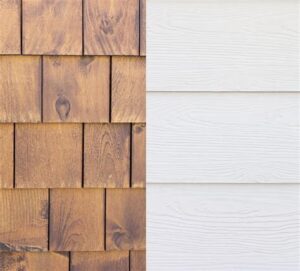
Transforming Kitchens: Innovative Wood Siding Design Ideas
When it comes to kitchens, incorporating wood siding can significantly elevate both aesthetics and functionality. Here are some innovative design ideas to consider:
- Accent Walls: Create a stunning focal point by installing wood siding on one wall. This could be behind the stove, a kitchen island, or a dining area, adding warmth and texture to the overall space.
- Open Shelving: Utilize wood siding as a backdrop for open shelves. This not only highlights your dishware or decorative items but also complements the natural elements of wood, providing a cohesive design.
- Ceiling Panels: Extend the wood siding to the ceiling for a dramatic effect. It can make the kitchen feel cozier while providing a unique visual height that draws the eye upward.
- Kitchen Islands: Wrap your kitchen island with wood siding. This approach not only distinguishes the island from the rest of the kitchen but also introduces a natural element that invites conversation and warmth into the space.
- Trim and Molding: Use wood siding for trim or molding around doors and windows. This subtle touch can enhance the overall design while adding character to your kitchen.
- Backsplashes: Consider utilizing wood siding for your kitchen backsplash. It brings a rustic charm and encourages a tranquil cooking environment. To prevent wear and tear, opt for treated wood that can withstand moisture.
Each of these innovative design ideas can seamlessly integrate wood siding into your kitchen, creating an inviting and stylish atmosphere that encourages culinary creativity.
Incorporating Wood Siding In Bedrooms For A Cozy Feel
Wood siding can bring a warm, inviting atmosphere to bedrooms, making them feel more restful and cozy. When considering design ideas for incorporating wood siding into your bedroom, think about the following aspects:

- Accent Walls: Choose one wall to be the focal point of the room. A wood siding accent wall can create depth and add a rustic charm that complements your bedding and decor.
- Headboards: Instead of a traditional headboard, consider using wood siding as a unique backdrop. This not only highlights the bed but also integrates natural textures, enhancing the cozy vibe.
- Ceiling Features: Adding wood siding to the ceiling can create an intimate atmosphere. It draws the eye upward and can make the room feel more spacious while providing warmth.
- Built-Ins: Incorporating wood siding into built-in shelves or cabinetry can create seamless storage solutions. The natural wood finish can tie in with other furniture pieces while maintaining a cohesive look.
- Color Options: Experiment with different stains or finishes of wood siding to match your desired aesthetic. Lighter woods can brighten up the space, while darker tones provide a more dramatic ambiance.
Overall, the use of wood siding in bedrooms not only enhances aesthetic appeal but also contributes to a relaxing environment, making it a perfect choice for your next design ideas-focused project.
Maintenance Tips For Sustaining Your Indoor Wood Siding Design Ideas
To ensure that your wood siding remains a stunning feature in your indoor spaces while also preserving its structural integrity and aesthetic appeal, regular maintenance is essential. Here are some effective design ideas to keep your wood siding looking great and functioning well:
- Regular Cleaning: Dust and dirt can accumulate on wood surfaces. Use a soft cloth or sponge with mild soap and water to gently clean the siding. Avoid using harsh chemicals, as they can damage the wood finish.
- Inspect for Damage: Periodically check your wood siding for signs of wear and tear, such as cracks, warps, or discoloration. Early detection can prevent more extensive damage down the line.
- Moisture Control: Wood is susceptible to moisture, which can lead to mold and decay. Ensure proper ventilation in rooms with wood siding to minimize humidity levels, and consider using a dehumidifier in particularly damp areas.
- Repainting or Resealing: Depending on the type of finish you use, you may need to repaint or reseal your wood siding every few years. This will protect the wood from moisture and sunlight, preserving its beauty.
- Repairing Damaged Areas: If you find any damaged sections, make repairs promptly. Patch up small cracks with wood filler or replace boards that are severely damaged to maintain a cohesive design.
- Avoid Direct Contact with Water: Prevent water from pooling or running down the walls by ensuring proper drainage in your design. Use mats or rugs in areas where water exposure is likely (like near sinks).
By following these maintenance tips, you can sustain your indoor wood siding design ideas and ensure your home remains a warm and inviting environment.

Frequently Asked Questions
What are the benefits of using wood siding indoors?
Using wood siding indoors adds warmth and texture to a space, enhances acoustics, and creates a natural, inviting atmosphere. It can also improve insulation and is a sustainable choice when sourced responsibly.
How can I incorporate wood siding into my home decor?
You can incorporate wood siding as accent walls, ceiling panels, or even as a feature in cabinetry and furniture. It can also be used in smaller elements like shelving and moldings to complement the overall design.
What types of wood are best for indoor siding?
Common woods for indoor siding include pine, cedar, and fir due to their workability and attractive appearance. Hardwoods like oak and cherry can offer a more luxurious feel but may come at a higher cost.
Is wood siding suitable for all rooms in the house?
While wood siding can be used in various rooms, it’s best suited for areas like living rooms, bedrooms, and offices. In spaces with high moisture, such as bathrooms or kitchens, it’s essential to choose treated woods and ensure proper ventilation.
What maintenance do wood siding interiors require?
Maintenance for wood siding includes regular cleaning to prevent dust accumulation, monitoring humidity levels to prevent warping, and periodic sealing or staining to protect against wear and prolong its life.
Can I paint or stain wood siding used indoors?
Yes, wood siding can be painted or stained to match your interior design. Choosing a high-quality paint or stain designed for wood will enhance its beauty while providing necessary protection.
What design styles work well with wood siding indoors?
Wood siding complements a variety of design styles, including rustic, modern, farmhouse, and Scandinavian. Combining wood with different materials like metal and glass can create a unique, cohesive look that fits your aesthetic.
Leave a Reply