
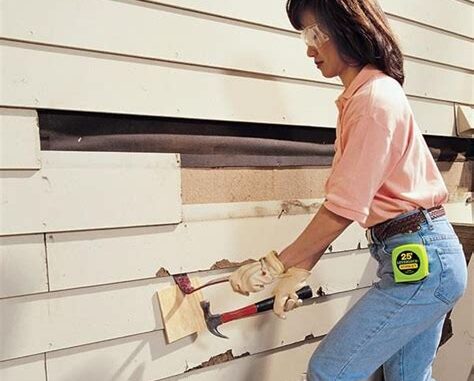
Wood siding is a popular choice for homeowners seeking a timeless, natural aesthetic. However, over time, exposure to the elements can lead to wear and damage that detracts from its charm and functionality. Whether you’re faced with cracks, rot, or water stains, the good news is that repairing wood siding doesn’t have to be a daunting task.
In this article, we will guide you through assessing the extent of the damage, equipping yourself with essential tools, and following a step-by-step process to restore your siding to its former glory.
Additionally, we’ll discuss finishing touches that enhance durability and preventative measures that protect against future deterioration. With the right knowledge and a little elbow grease, you can ensure your wood siding remains a stunning feature of your home for years to come.
Assessing The Extent Of Damage Before Repairing Wood Siding
Before diving into the process of repairing your wood siding, it’s crucial to thoroughly assess the extent of the damage. This evaluation will help you determine the necessary steps and tools needed for the repair and whether professional assistance might be required. Here are the key aspects to consider:
- Visual Inspection: Start with a thorough visual inspection of the entire siding area. Look for visible signs of damage, such as cracks, holes, rot, or discoloration. Pay special attention to areas near joints and seams, which are often more vulnerable.
- Check for Soft Spots: Gently press on different sections of the siding. If you notice any soft spots or areas that give way easily, this could be an indication of underlying damage, such as water intrusion or extensive rot.
- Look for Mold or Mildew: The presence of mold or mildew can signal moisture damage. If you find these issues, it’s essential to address the source of moisture before repairing the siding.
- Determine the Material Condition: Different types of wood siding respond differently to damage. Identify the type of wood and assess its overall integrity. Some wood types may be more resistant to decay and weathering than others.
- Evaluate Structural Integrity: If the damage is extensive, it may affect the structural integrity of your home. Check if there is damage to underlying structures, such as sheathing or framing. You may need to consult a professional if the damage is severe.
- Estimate the Repair Scope: Based on your assessment, determine whether the damage is superficial or if it involves significant repairs. Small cracks and surface problems may be manageable as DIY projects, while larger issues might require larger repairs or replacement.
By methodically evaluating the condition of your wood siding, you can make informed decisions and effectively plan your next steps in learning how to repair your wood siding.
Essential Tools Needed For How To Repair Wood Siding
To effectively learn how to repair wood siding, having the right tools at your disposal is essential. Below is a list of the key tools you will need to ensure your repair project goes smoothly and efficiently:
- Circular Saw – Ideal for cutting new siding to size.
- Hammer – Necessary for driving nails or removing damaged siding.
- Nails – Use galvanized or stainless steel nails to prevent rusting and ensure durability.
- Measuring Tape – Essential for accurate measurements of your siding pieces.
- Level – To ensure that your siding is installed evenly and correctly.
- Paintbrush or Roller – For applying protective finishes or paint after repairs.
- Caulk Gun – Useful for sealing gaps to prevent water intrusion and damage.
- Safety Gear – Always wear safety glasses and gloves to protect against splinters and debris.
- Chisel – Handy for trimming and shaping wood siding if necessary.
- Pry Bar – Essential for removing old or damaged siding without causing further damage.
Having these tools ready will not only facilitate your repair process but also help you accomplish a job well done. Always remember to prioritize safety while working with tools, and follow the guidelines for your specific project.
Step-By-Step Guide On How To Repair Damaged Wood Siding
Repairing damaged wood siding can seem daunting, but by following this how to guide, you can restore the integrity and appearance of your home’s exterior. Here’s a structured approach to help you through the repair process:

- Inspect the Damage: Begin by carefully examining the affected area. Determine the extent of the damage and identify whether it is superficial, such as peeling paint, or deeper, involving rot or insect infestations.
- Gather Your Materials: Ensure you have all the necessary tools and materials on hand. Look for replacement wood, wood glue, primer, paint, safety goggles, and gloves.
- Remove Damaged Sections: Use a pry bar or utility knife to gently remove any damaged siding. Be careful to avoid causing damage to adjacent sections.
- Prepare the Area: Clean the surrounding area of debris and dust to ensure a proper bond when applying new materials.
- Cut Replacement Pieces: Measure the removed section and cut new siding pieces to fit. If possible, use wood from the same species and style to ensure a uniform appearance.
- Apply Adhesive: Use a weather-resistant wood glue to adhere the new siding pieces. Ensure even coverage for a strong bond.
- Secure the New Siding: Fasten the new siding into place with nails or screws. Make sure they are driven straight and flush with the surface.
- Fill Gaps: If there are any gaps or cracks, fill them in with exterior-grade caulk to protect against moisture infiltration.
- Sand and Smooth: Once the caulk dries, sand the surface smoothly to match the existing siding and prepare it for painting.
- Prime and Paint: Apply a primer to the new siding before painting it with a quality exterior paint that matches the rest of your home’s color.
Following these steps on how to repair damaged wood siding ensures both aesthetic appeal and improved durability, protecting your home from future wear and tear.
Finishing Touches After Repairing Wood Siding For Longevity
Once you have successfully repaired your wood siding, it’s crucial to apply finishing touches to ensure its longevity and protect it against future damage. Here are some important steps to consider:
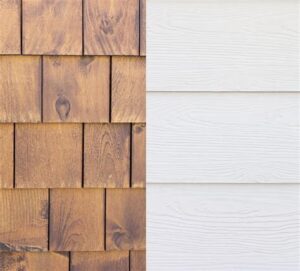
- Sealing: Apply a high-quality wood sealant to your repaired areas. This will help create a barrier against moisture, which can lead to rot and decay. Make sure to choose a sealant that is appropriate for wood siding.
- Painting or Staining: Depending on your initial siding finish, repainting or staining the repaired sections can provide an extra layer of protection. Use a weather-resistant paint or stain that complements the existing color while providing added durability against the elements.
- Regular Maintenance: Schedule periodic inspections to check for signs of wear or damage. This routine maintenance can help catch any issues early, preventing more extensive repairs down the line.
- Flashing Installation: If you haven’t already, consider adding or improving the flashing around windows, doors, and roof lines. This helps redirect water away from the siding and protects it from moisture damage.
- Landscaping Considerations: Make sure that the soil around your home is sloped away from the foundation, and trim any vegetation that may be touching or close to the wood siding. This can help minimize moisture exposure and shadowing that can expedite deterioration.
By paying attention to these finishing touches, you enhance the protection and appearance of your wood siding, ensuring its durability for years to come as you continue to learn how to care for your home effectively.
Preventative Measures To Avoid Future Wood Siding Damage
Preventing damage to wood siding is crucial for maintaining its appearance and structural integrity. Here are some effective strategies you can implement to protect your wood siding from future issues:
- Regular Inspections: Conduct routine inspections of your siding at least twice a year. Look for signs of wear, such as cracks, peeling paint, and signs of rot.
- Proper Maintenance: Ensure that your wood siding is regularly cleaned and maintained. This includes washing it with a mild detergent and water to remove dirt and mold.
- Repainting and Sealing: Repaint or seal your wood siding every 3-5 years to protect it from moisture and UV rays. Using high-quality paints and sealants can enhance durability.
- Ensure Proper Drainage: Make sure gutters and downspouts are functioning correctly to divert water away from your siding. Proper drainage is essential to prevent moisture accumulation.
- Keep Vegetation Trimmed: Trim trees and bushes to avoid direct contact with your siding. This will minimize the risk of scratches and retain airflow to prevent moisture buildup.
- Control Moisture Levels: Use dehumidifiers in areas prone to high humidity and ensure proper ventilation in attics and basements to reduce moisture in the air.
- Inspect Caulking and Flashing: Regularly check the caulking and flashing around windows and doors. Reapply or replace as necessary to prevent water intrusion.
By implementing these preventative measures, you can significantly extend the life of your wood siding and minimize the need for repairs in the future. Remember, how to take good care of your wood siding is essential for maintaining the beauty and functionality of your home.

Frequently Asked Questions
What are the common signs of damaged wood siding?
Common signs include warping, splitting, cracks, peeling paint, and signs of rot or mold.
What tools do I need to repair wood siding?
Essential tools include a pry bar, hammer, nails, saw, putty knife, sandpaper, wood filler, and a paintbrush.
Can I repair wood siding on my own, or should I hire a professional?
Depending on the extent of the damage, you can DIY simpler repairs, but complex issues may require consulting a professional.
What types of wood siding can be repaired?
Most types of wood siding, including clapboard, panel, and shingle siding, can typically be repaired.
How do I prevent further damage to my wood siding after repair?
Regular maintenance, including cleaning, sealing, and painting, can help prevent future damage.
What should I do if the damage is caused by pests?
If pest damage is identified, it’s important to address the pest problem first, then repair the siding to prevent recurrence.
How much does it typically cost to repair wood siding?
Costs vary based on the extent of the damage and the materials needed, but repairs can range from a few hundred to several thousand dollars.
Leave a Reply