
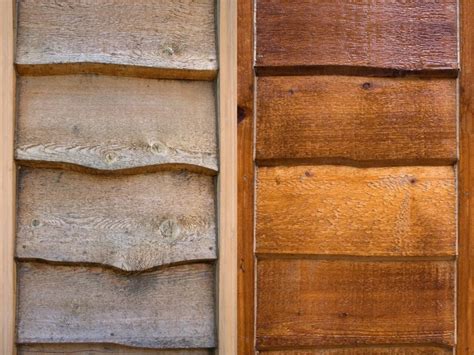
When it comes to enhancing and protecting your wood siding, the choice between staining and painting can significantly impact both aesthetics and longevity. Each option offers unique benefits and drawbacks, making it essential to understand the differences before making a decision.
This article will guide you through the factors to consider, including the pros and cons of staining versus painting, a comprehensive cost analysis, and maintenance tips to help preserve your home’s exterior.
Whether you’re looking to refresh your outdoor space or protect your investment, this comprehensive guide will equip you with the knowledge you need to make an informed choice. Read on to discover what’s best for your wood siding and your budget!
Understanding The Differences Between Staining Vs. Painting
When considering the options for enhancing and protecting your wood siding, it’s essential to understand the fundamental differences between staining vs. painting. Each method has its unique characteristics, applications, and benefits that can impact the longevity and appearance of your home’s exterior.
Staining is a process that penetrates the wood surface, enhancing its natural grain and beauty while providing some protection against moisture and UV damage. Typically, stains come in various opacities, from transparent to semi-transparent and solid, which can either allow some wood character to shine through or cover it more completely. One of the main advantages of staining is that it requires less maintenance than paint, as it tends to fade gradually rather than chip or peel.
On the other hand, painting involves applying a coat of paint on top of the wood surface, creating a solid color barrier that provides a thick layer of protection. This approach not only adds color but also seals the wood, preventing moisture intrusion effectively. Painting can offer a broader range of color options and finishes compared to staining. However, the trade-off is that paint typically peels and chips over time, leading to a more intensive maintenance routine that involves scraping, sanding, and repainting.
The choice between staining vs. painting your wood siding ultimately depends on your aesthetic preferences, the desired maintenance level, and the specific environmental conditions your home faces. Understanding these differences will help guide your decision, ensuring that your wood siding is both beautiful and protected for years to come.
Factors To Consider When Choosing Staining Vs. Painting
When deciding between staining and painting your wood siding, there are several key factors that need to be taken into account. Understanding each of these factors will help you make an informed decision that best suits your home’s needs. Here are the primary considerations:
- Climate and Weather Conditions: Your local climate plays a significant role in this decision. If you live in an area with extreme weather conditions, you may want to opt for paint, which provides a thicker barrier against moisture and UV rays. Conversely, if you reside in a milder climate, staining may be more beneficial, allowing the natural texture of the wood to breathe.
- Aesthetic Preferences: Both options offer different visual appearances. Stains offer a more natural finish that highlights the wood grain, while paints come in a wide array of colors, providing a more vibrant look. Consider what visual impact you want your home to have and how it fits into your neighborhood.
- Wood Condition: The current condition of your wood siding can influence your choice. If your wood is in good condition, staining may enhance its natural beauty. However, if there are significant blemishes or you are dealing with weathered wood, paint might be the better option for a smoother finish.
- Longevity and Durability: Consider how long you want the finish to last. Paint generally provides a longer-lasting solution compared to stains, which may require reapplication more frequently. However, stains can be easier to maintain with minor touch-ups instead of total repainting.
- Environmental Factors: If you’re environmentally conscious, you may want to look into the eco-friendliness of the products you choose. Many contemporary stains offer fewer volatile organic compounds (VOCs), making them a more environmentally friendly choice compared to some paints.
- Application Process: The application method can differ significantly between staining vs. painting. Stains often require a more straightforward application, while painting might need additional steps, like priming, particularly for raw or previously stained wood. Evaluate your comfort level and skills for DIY applications.
- Cost and Budget: Your budget will inevitably play a role in this choice. While initial costs may be lower for stains, consider the long-term maintenance and reapplication costs. Calculate the full cost over time to understand which option may be more economical.
Weighing these factors will guide you toward making the best decision between staining vs. painting your wood siding, ensuring both aesthetic appeal and durability for your home’s exterior.
Pros And Cons Of Staining Vs. Painting Your Siding
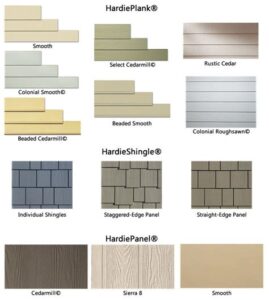
When deciding between staining vs. painting your wood siding, it’s essential to weigh the benefits and drawbacks of each option. Here’s a breakdown of the pros and cons to help guide your decision:
Pros of Staining:
- Natural Appearance: Staining enhances the natural beauty of the wood grain, providing a warm and authentic look that many homeowners appreciate.
- Breathability: Stains allow the wood to breathe, which can prevent issues like moisture buildup and mold growth.
- Less Maintenance: Stains often require less frequent maintenance compared to paint, as they can fade gracefully rather than peel.
Cons of Staining:
- Limited Color Choices: Stains typically offer fewer color options than paint, which can limit your design flexibility.
- Less Protection: While stains provide some protection against UV rays and moisture, they may not be as effective as paint in safeguarding against extreme weather conditions.
Pros of Painting:
- Variety of Colors: Paint comes in a vast array of colors and finishes, allowing homeowners to customize their siding extensively.
- Durability: Paint tends to offer a thicker protective layer, providing excellent resistance against harsh weather, which can enhance the longevity of your siding.
- Uniform Look: If you desire a smooth, uniform appearance, painting can achieve this better than staining.
Cons of Painting:
- Peeling and Cracking: Paint can peel and crack over time, necessitating more frequent maintenance compared to stained surfaces.
- More Preparation Required: Painting often involves extensive prep work, including sanding and priming, which can be time-consuming and labor-intensive.
The choice between staining vs. painting your wood siding depends on your personal preferences, the aesthetic you wish to achieve, and the specific conditions of your home’s environment.

Cost Analysis: Staining Vs. Painting Wood Siding
When considering exterior finishes for your wood siding, staining vs. painting brings several financial implications to the forefront. Understanding these costs can help you make an informed decision that aligns with your budget and maintenance preferences.
Initial Costs
The initial cost of staining vs. painting varies significantly based on materials and labor. On average, staining can range from $0.75 to $4.00 per square foot, while painting typically costs between $1.50 and $5.00 per square foot. The price can differ based on the type of stain or paint used, the color, and any necessary preparatory work on the siding.
Long-Term Costs
While the upfront investment may be higher for painting, it’s essential to factor in long-term maintenance and frequency of application. Generally, stain may require reapplication every 3 to 5 years, while paint may need refreshing every 5 to 10 years. This difference can significantly influence overall costs.
Maintenance Expenses
In terms of maintenance, staining vs. painting has different ongoing costs. Staining may require simple washing and occasional touch-ups, while painting may necessitate scrubbing, caulking, and repainting larger sections due to peeling. These maintenance activities incur their own costs that can add up over time.
Value Addition
Consider the impact on property value as well. Many prospective buyers may prefer the aesthetic quality of painted siding, which can lead to a better resale price. However, well-maintained stained wood can also be very appealing, especially if it complements the home’s architecture.
The decision between staining vs. painting wood siding should reflect not only the financial aspects but also aesthetic preferences, desired maintenance levels, and the long-term vision for your property’s exterior. Understanding these cost dynamics will help you choose the best option for your needs.
Maintenance Tips For Stained Vs. Painted Wood Siding
Maintaining your wood siding is essential for prolonging its life and ensuring it continues to look its best. The maintenance requirements differ between stained and painted wood siding, so understanding these can help you keep your home in optimal condition. Below are some effective maintenance tips for both staining vs. painting your wood siding.
Maintenance for Stained Wood Siding
- Regular Cleaning: Use a soft brush or pressure washer on a low setting to remove dirt and debris. Avoid harsh chemicals that can strip the stain.
- Inspect Annually: Check for signs of wear, fading, or water damage. Early detection allows for timely reapplication of stain.
- Reapplication: Re-stain your siding every 2-4 years, depending on exposure to sunlight and weather conditions. This will help maintain the wood’s protection against moisture and UV rays.
- Seal Joints: Ensure that all joints and seams are properly sealed to prevent moisture intrusion.
Maintenance for Painted Wood Siding
- Regular Inspections: Check for peeling or bubbling paint, which can indicate underlying moisture issues. Touch up or repaint affected areas promptly.
- Cleansing: Clean painted siding with a mild detergent solution and a soft-bristle brush to maintain the paint’s appearance and adhere to maintenance schedules.
- Repainting: Plan on repainting every 5-7 years, or sooner if you notice significant wear. This will ensure a protective barrier against the elements.
- Caulking: Regularly inspect and replace caulk around windows, doors, and joints to prevent moisture infiltration.
Choosing between staining vs. painting for your wood siding hinges not only on aesthetics but also on the level of maintenance you are willing to commit to. Proper care will help you achieve long-lasting results, no matter your choice.

Frequently Asked Questions
What is the main difference between staining and painting wood siding?
Staining penetrates the wood, enhancing its natural grain while providing protection, whereas painting forms a layer on the surface, offering more color options and a more opaque finish.
Which lasts longer, staining or painting wood siding?
Typically, painting lasts longer due to its protective film, but it may require more maintenance. Stains might need reapplication more frequently but can give a more natural appearance.
What are the benefits of using a stain on wood siding?
Stain can enhance the beauty of the wood grain, is generally easier to apply, and can help prevent water damage while allowing the wood to breathe.
In what situations is painting a better option than staining?
Painting is often better for siding that is exposed to harsh weather conditions or if you want a specific color not achievable with stain. It also provides a thicker protective layer.
How do preparation requirements differ between staining and painting?
Staining usually requires less preparation; cleaning the surface is often sufficient. Painting, however, requires thorough sanding, priming, and may need repairs to the wood.
Can you switch from stain to paint or vice versa easily?
Switching from stain to paint is often possible but requires completely stripping the old stain and potentially priming the wood. Changing from paint to stain may require thorough sanding to ensure proper adhesion.
What factors should I consider when choosing between staining and painting?
Consider your desired aesthetic, the climate in your area, the current condition of the wood, maintenance preferences, and the longevity you expect from the finish.
Leave a Reply