
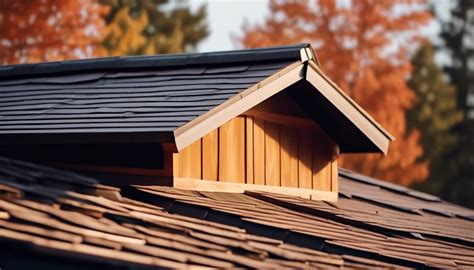
When it comes to protecting your home, few elements are as crucial as proper ventilation, especially for wood siding. Wood siding adds beauty and character to any house, but without adequate airflow, it can become susceptible to moisture damage, decay, and reduced lifespan.
In this article, we will explore the significance of effective ventilation in safeguarding your wood siding investment. From understanding the mechanics of airflow and its role in preventing moisture damage to practical strategies for optimizing ventilation, we will guide you through the essential steps to maintain the health and longevity of your exterior. Join us as we uncover why proper ventilation is not just an option, but a necessity for any homeowner who values the integrity of their wood siding.
Understanding The Importance Of Proper Ventilation For Wood Siding
Proper ventilation plays a crucial role in maintaining the integrity of wood siding. When installed correctly, ventilation allows air to circulate freely, which helps to regulate temperature and humidity levels. This circulation is essential in preventing moisture buildup, which can lead to issues such as mold growth, wood rot, and insect infestations. The combination of heat and humidity trapped within unventilated spaces can create a perfect storm for damaging effects on your wood siding.
The importance of adequate airflow cannot be overstated. Without it, the wood can absorb moisture from the air, leading to swelling, warping, and eventual deterioration. This is not only detrimental to the appearance of your property but can also affect its structural integrity and longevity. By understanding the importance of proper ventilation, homeowners can take proactive measures to protect their investment.
Moreover, proper ventilation contributes to energy efficiency. It helps to regulate indoor temperatures, potentially leading to lower heating and cooling costs. Homes with good ventilation systems can maintain a more balanced climate, contributing to the overall comfort of the household.
Recognizing the importance of proper ventilation for wood siding is key to preserving its aesthetic appeal and structural soundness. Homeowners should prioritize ventilation as part of their maintenance routine to ensure that their wood siding remains in optimal condition for years to come.
How Proper Ventilation Prevents Moisture Damage To Wood Siding
One of the most significant risks to wood siding is moisture damage, which can lead to various issues such as rot, mold growth, and overall structural deterioration. Proper ventilation plays a crucial role in mitigating these risks. By allowing air to circulate freely around the wood siding, moisture can evaporate rather than accumulate in problematic areas.
Without adequate ventilation, moisture can become trapped between the siding and the underlying structures. This creates an ideal environment for mold and mildew to thrive, not only compromising the integrity of the wood but also posing health risks to occupants. Furthermore, prolonged exposure to moisture can weaken the wood, leading to costly repairs or replacements.

In addition to preventing mold growth, the importance of proper ventilation extends to maintaining the appearance of the wood siding. By reducing moisture accumulation, you can avoid unsightly stains and discoloration, allowing the siding to retain its natural beauty and prolong its lifespan.
Utilizing ventilation techniques such as installing vents at the peak of roofs or ensuring adequate space between siding courses can significantly enhance airflow. Ensuring that your wood siding is well-ventilated not only safeguards against moisture damage but also promotes a healthier living environment.
Increasing Airflow: Strategies For Effective Wood Siding Ventilation
Ensuring proper ventilation is a critical aspect of maintaining the integrity of wood siding. By increasing airflow around the wood, homeowners can significantly reduce the risk of moisture accumulation and subsequent damage. Here are several effective strategies to enhance ventilation:
- Install Vents: Incorporating vents at regular intervals can facilitate the movement of air. Soffit vents at the eaves and ridge vents at the roof’s peak work in tandem to create a natural airflow that helps in dissipating moisture.
- Use Batten Strips: Batten strips can create small gaps between siding pieces, which can promote airflow. These gaps allow for better circulation, thereby reducing humidity levels.
- Keep Gutters Clean: Regularly maintaining gutters is vital. Clogged gutters can lead to water pooling near wood siding, increasing moisture levels. Ensure that gutters are clear to promote proper drainage.
- Choose the Right Siding Materials: Some materials allow better airflow and moisture management than others. Choosing wood siding with built-in ventilation features can provide additional protection.
- Landscape Considerations: Ensure that trees, shrubs, and other landscaping elements don’t obstruct airflow around your house. Trimming back greenery can help in maintaining airflow.
- Monitor Humidity Levels: Use a hygrometer to measure indoor humidity. Keeping indoor humidity levels below 50% can complement outdoor ventilation efforts.
Implementing these strategies not only underscores The Importance of proper ventilation but also contributes to the overall longevity and aesthetic appeal of wood siding. Consistent attention to these methods will enhance the efficiency of your home’s ventilation system.
The Importance Of Ventilation In Extending The Lifespan Of Wood Siding
One of the key factors in The Importance of maintaining wood siding is proper ventilation, which significantly contributes to extending its lifespan. Without adequate airflow, wood siding is vulnerable to a range of issues that can compromise its structural integrity and aesthetic appeal.

Firstly, good ventilation prevents moisture build-up, which can lead to rot and mold growth. Over time, constant exposure to moisture will weaken the wood, making it more susceptible to damage. By ensuring that air can circulate freely, homeowners can mitigate these risks, thereby preserving the siding’s quality over the years.
Additionally, proper ventilation helps in regulating temperature fluctuations in the wall system. Extreme heat can cause wood to warp and crack, while excessive cold can lead to contraction, presenting further risks to durability. A well-ventilated area maintains a more consistent temperature, protecting the wood from these damaging effects.
Moreover, ventilation can help in reducing animal infestation. Pests, such as termites, thrive in warm, moist environments. By keeping the siding dry and ensuring sufficient airflow, the likelihood of these infestations is significantly reduced, which is crucial for prolonging the life of wood siding.
Regular inspection of ventilation systems ensures that any blockages are quickly addressed. This proactive approach not only enhances the durability of wood siding but also promotes overall energy efficiency within the home, contributing to lower utility costs and a more sustainable living environment.
The The Importance of proper ventilation cannot be understated when it comes to extending the lifespan of wood siding. By prioritizing ventilation strategies, homeowners can protect their investment and enjoy the beauty of wood siding for many years to come.
Regular Maintenance: Ensuring Proper Ventilation For Wood Siding Health
Maintaining proper ventilation for wood siding is crucial for preserving the integrity and lifespan of your home’s exterior. Regular maintenance checks not only assist in identifying ventilation issues early on, but they also contribute significantly to the overall health of your wood siding. Here are some key aspects to consider when focusing on maintenance:
- Inspect Vents Regularly: Ensure that all vents are clear of debris, dirt, and obstructions. This allows for adequate airflow, minimizing moisture retention that can lead to wood rot.
- Check for Signs of Damage: Look for any signs of wear or damage on the siding itself. Cracks, splits, or peeling paint can signal ventilation problems that need to be addressed immediately.
- Maintain Gutters and Downspouts: Regularly clean and maintain gutters and downspouts to prevent water from pooling near the siding. This helps divert rainwater away from your home and keeps the area dry.
- Reevaluate Insulation: Improper insulation can trap moisture in the wall cavities. Ensure that insulation is installed correctly and check for insulation materials that may retain moisture.
- Assess Attic Ventilation: Proper attic ventilation is essential as it helps to prevent heat buildup and moisture accumulation that can seep into the siding. Install soffit vents and ridge vents if needed to promote air circulation.
Adhering to these maintenance practices not only underscores the importance of ventilation but also significantly enhances the durability of your wood siding. By staying proactive and conducting regular maintenance, homeowners can avoid costly repairs and maintain a healthy, attractive exterior.

Frequently Asked Questions
Why is proper ventilation important for wood siding?
Proper ventilation helps prevent moisture buildup, which can lead to rot and mold, thereby extending the lifespan of wood siding.
What are common signs of inadequate ventilation in wood siding?
Common signs include peeling paint, mold growth, and warped siding panels.
How does ventilation affect the insulation of a home with wood siding?
Adequate ventilation improves insulation performance by regulating temperature and moisture levels, contributing to overall energy efficiency.
What are effective methods for ensuring proper ventilation with wood siding?
Effective methods include installing vents at the top and bottom of siding installations, ensuring air can flow freely, and using breathable house wraps.
Can I use wood siding in humid climates?
Yes, but it’s crucial to implement proper ventilation and use treated wood to mitigate the risks associated with high humidity.
How often should I check the ventilation around my wood siding?
It’s a good practice to check ventilation annually, especially before and after the rainy season, to ensure everything is functioning correctly.
Does proper ventilation contribute to energy savings in homes with wood siding?
Yes, proper ventilation can lead to energy savings by maintaining a more stable internal temperature, reducing the need for heating and cooling.
Leave a Reply