

When it comes to enhancing the beauty and functionality of your home, wood siding stands out as a timeless choice with a blend of charm and practicality. Whether you’re contemplating a new installation or updating your current exterior, understanding the pros and cons of wood siding is essential for making an informed decision.
This article dives deep into the myriad advantages wood siding offers, from its striking aesthetic appeal to its long-term durability and energy efficiency. However, we’ll also explore some cost considerations to ensure that you know precisely what to expect. With this comprehensive guide, you’ll gain valuable insights to help you weigh the benefits and challenges of wood siding, ensuring your investment aligns with your vision for your home.
Understanding The Pros Of Wood Siding For Your Home
When considering exterior finishes for your home, The Pros of wood siding are worth exploring. This traditional siding option not only enhances the character of your property but also offers a range of benefits that can significantly impact the overall look and functionality of your home.
One of the primary advantages of wood siding is its natural aesthetic appeal. Wood provides a warm, inviting look that can complement various architectural styles, making it a popular choice for homeowners looking to create a unique appeal. It can be easily stained or painted to match personal tastes and to suit the surrounding environment.
Furthermore, wood siding is an excellent insulator, contributing to energy efficiency in your home. Its natural fiber structure helps regulate temperature, keeping your home warmer in the winter and cooler in the summer. This can lead to significant savings on energy bills while also contributing to a more sustainable living space.
In addition to aesthetic and energy benefits, wood siding boasts a level of durability that can match that of alternative materials when properly maintained. High-quality wood sidings can withstand various weather conditions and resist common issues like warping and cracking, particularly when treated with protective finishes.
Cost-wise, wood siding can be a favorable initial investment due to its affordability compared to some other materials, especially when considering its aesthetic and energy efficiency benefits. Homeowners can also take advantage of various finishes and treatments that extend the lifespan of wood siding, providing long-term value.
The pros of wood siding encompass aesthetic charm, energy efficiency, durability, and cost-effectiveness, making it a compelling choice for many homeowners looking to elevate their property’s exterior.
Exploring Aesthetic Benefits Of Wood Siding
When it comes to enhancing the visual appeal of your home, wood siding offers a charm that is hard to match. The natural beauty of wood provides warmth and character, making it a popular choice for many homeowners. Here are some key aesthetic benefits of choosing wood siding for your property:
- Natural Beauty: The unique grains, textures, and colors of wood create a classic and timeless look that complements various architectural styles.
- Customizability: Wood siding can be easily painted or stained, allowing homeowners to customize the appearance to suit their personal preferences and neighborhood aesthetics.
- Variety of Styles: Whether you prefer clapboard, shingle, or board-and-batten styles, wood siding provides a broad range of options to fit any design vision.
- Eco-Friendly Options: For environmentally conscious homeowners, sustainably sourced wood siding can contribute to a greener footprint, adding to its appeal.
- Visual Warmth: Wood naturally adds a sense of warmth and comfort, making your home inviting and appealing to both residents and visitors.
Wood siding not only enhances the curb appeal of your home but also allows for flexibility in design and color choices. This makes it a highly sought-after option for homeowners looking to improve the aesthetic value of their properties while considering the pros of material durability and maintenance. By choosing wood siding, you can create a beautiful, welcoming environment that reflects your style and personality.
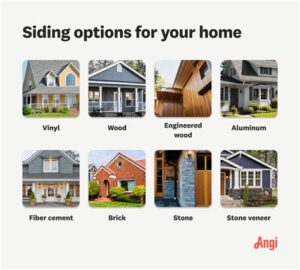
Long-Term Durability: The Pros Of Wood Siding
When considering the best materials for exterior cladding, the pros of wood siding standout prominently, particularly when addressing long-term durability. Wood siding, when properly maintained, can last decades, providing a robust barrier against the elements while enhancing your home’s charm.
One of the main reasons builders and homeowners favor wood siding is its resistance to cracking and warping compared to other materials. High-quality wood, such as cedar or redwood, exhibits natural resilience and can withstand significant physical stress without showing signs of damage.
Moreover, wood has a unique ability to expand and contract with changing weather conditions, reducing the risk of splitting. This flexibility is a key factor in its longevity and makes it a great choice for various climates.
To enhance its enduring nature, routine maintenance such as painting or sealing is recommended. These treatments not only protect against moisture and UV damage but also allow homeowners to customize the look over the years, making wood siding a versatile option in the long run.
In addition, wood siding is generally easier to repair than many synthetic alternatives. Should a board become damaged, it can usually be replaced or repaired without necessitating extensive renovations, which can save time and money in the long run.
The long-term durability of wood siding, complemented by its ability to withstand environmental stressors, low maintenance repair options, and aesthetic flexibility, makes it a wise investment for homeowners who value longevity and beauty in their home exteriors.
Energy Efficiency: How Wood Siding Benefits Homes
When considering The Pros of wood siding for your home, one significant aspect that stands out is its energy efficiency. Wood siding inherently possesses excellent insulating properties, helping to regulate indoor temperatures more effectively than some synthetic alternatives.

Wood acts as a natural insulator, which means it can help keep your home warm in winter and cool during the summer months. This quality reduces the reliance on heating and cooling systems, leading to lower energy bills and a reduced carbon footprint.
Moreover, when properly installed with a suitable moisture barrier, wood siding ensures minimal air infiltration, contributing further to energy savings. The thermal mass of wood can absorb heat during the day and release it gradually at night, making your living space more comfortable and energy-efficient.
Additionally, choosing sustainably sourced wood for siding can enhance your home’s eco-friendliness. Many manufacturers now offer treated wood products that improve durability without sacrificing the environmental benefits associated with natural materials.
The energy efficiency of wood siding not only complements its aesthetic and structural advantages but also makes it a wise financial and ecological choice for homeowners looking to maximize the comfort and sustainability of their residences.
Cost Considerations: The Financial Pros Of Wood Siding
When evaluating The Pros of wood siding, it’s essential to consider the financial implications of this choice. Here are some important cost factors to keep in mind:
- Initial Investment: Wood siding can be more expensive upfront compared to other materials such as vinyl or aluminum. However, this initial cost can be justified by the long-term benefits.
- Maintenance Costs: Regular maintenance is required to keep wood siding looking its best. This includes painting, staining, or sealing every few years, which can add to the overall expense. Yet, many homeowners view this as a worthwhile investment in aesthetics and longevity.
- Resale Value: One of the significant financial pros of wood siding is its potential to increase the resale value of your home. Many buyers are attracted to the warmth and beauty of wood, which can translate to a higher sale price, particularly in markets where curb appeal is essential.
- Energy Savings: Wood siding is known for its natural insulating properties. Homes with well-installed wood siding can experience lower energy bills due to improved insulation, which leads to substantial savings over time.
- Sustainability Benefits: Choosing sustainably sourced wood siding can allow homeowners to take advantage of green building programs and incentives, potentially reducing tax burdens or offering rebates that contribute to overall cost savings.
When you weigh these factors, the financial pros of wood siding become clear. While the initial investment might be higher than less expensive materials, the long-term value and benefits often outweigh these first costs, making it an attractive option for many homeowners.

Frequently Asked Questions
What are the main benefits of using wood siding?
Wood siding offers excellent aesthetic appeal, versatility in design, and can provide good insulation when properly treated.
How does wood siding compare to vinyl siding in terms of durability?
While wood siding can last a long time with proper maintenance, vinyl siding is generally more durable and resistant to weather damage and pests.
What types of wood are commonly used for siding?
Common types of wood used for siding include cedar, pine, redwood, and fir, each providing different textures and resistance to moisture.
What maintenance is required for wood siding?
Regular maintenance for wood siding includes repainting or staining every few years, inspecting for rot or insect damage, and sealing to protect against moisture.
Are there any environmental concerns associated with wood siding?
Yes, sourcing wood from unsustainable logging practices can pose environmental concerns, but using certified wood from sustainable forests can mitigate this issue.
How does the cost of wood siding compare to other materials?
Wood siding can be more expensive initially than materials like vinyl, but its unique appearance and potential for longevity can make it a worthwhile investment.
Does wood siding provide good insulation?
Yes, wood siding has natural insulating properties, which can help keep homes warmer in the winter and cooler in the summer when installed properly.
Leave a Reply