

When it comes to enhancing the aesthetic and functional appeal of your home, the choice of siding material is pivotal. This article delves into The Science Behind Choosing Quality Wood For Siding, illuminating how the right wood can transform your space.
From understanding various wood types to evaluating their durability and treatment processes, we explore crucial factors that contribute to making an informed decision.
Moreover, we’ll highlight how quality wood siding not only elevates the charm of your home but also influences energy efficiency, ultimately impacting your comfort and utility bills. Join us as we navigate through the science behind wood selection, ensuring you invest in a siding solution that stands the test of time.
Understanding The Science Of Wood Types For Siding
When it comes to choosing the ideal wood for siding, understanding The Science behind different wood types is essential. Various species of wood possess unique characteristics that affect their performance, appearance, and suitability for exterior applications. Here’s a closer look at the most popular wood types used for siding and the scientific principles that guide their selection.
Softwood vs. Hardwood
Wood is broadly categorized into two types: softwoods and hardwoods. Softwoods, such as pine, cedar, and fir, come from coniferous trees and are generally lighter and easier to work with. Hardwoods, like oak and maple, derive from deciduous trees and tend to be denser and more durable. Understanding these distinctions is crucial for homeowners seeking longevity and resilience in their siding materials.
Moisture Resistance
One of the critical factors affecting the performance of wood siding is moisture resistance. Some wood types, particularly cedar and redwood, have natural oils that make them more resistant to water damage and decay. This ability to withstand moisture is grounded in the cellular structure of the wood and its chemical composition. Homeowners must consider local climate conditions when selecting a moisture-resistant wood type.
Thermal Behavior
Another scientific aspect to consider is the thermal behavior of wood. Certain wood species have better insulating properties than others, influencing energy efficiency in homes. For instance, species like cedar and spruce can help maintain indoor temperature stability, leading to lower energy consumption. This is a direct relationship between wood properties and the science of heat transfer.
Grain Patterns and Aesthetic Appeal
The visual appeal of wood siding is also based on its grain patterns and color. Different wood species exhibit unique aesthetic characteristics – from the tight grain of oak to the pronounced knots of pine. Understanding how these aspects relate to the wood’s growth conditions and anatomical structure can guide homeowners in selecting siding that aligns with their desired aesthetic.

A comprehensive understanding of The Science related to various wood types can empower homeowners to make informed decisions. From durability to moisture resistance, and thermal efficiency to aesthetic appeal, the right choice of wood siding can significantly influence a home’s longevity and performance.
Evaluating The Durability Of Quality Wood: A Key Factor
When it comes to siding, the durability of the wood chosen is critical to the longevity and performance of the home. Evaluating the durability involves understanding various characteristics of wood that contribute to its resilience against environmental factors, pests, and decay.
The science behind wood durability hinges on factors such as wood species, moisture content, and treatment methods. Certain species, like cedar and redwood, are naturally resistant to decay and insects due to their high tannin content. This natural durability should be a significant consideration when selecting wood for siding.
Moisture content plays a crucial role in wood’s performance. Wood that is properly seasoned before installation will resist warping, cracking, and splitting. A moisture content of 19% or lower is generally recommended for exterior wood applications, ensuring that the wood can withstand changes in humidity and moisture exposure.
Additionally, modern wood treatment processes enhance durability significantly. Treatments such as pressure treating, which infuses wood with preservatives, improve its resistance to rot, fungal activity, and insect infestations. It is essential to choose treated wood when durability is a priority, as untreated wood can lead to costly repairs over time.
Regular maintenance and care can drastically improve the lifespan of your wood siding. This includes periodic sealing and painting, which protect against moisture and UV light. By understanding the science behind these durability factors, homeowners can make informed choices that enhance the overall performance of their siding.
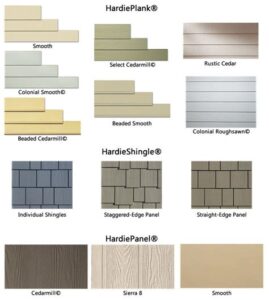
The Science Behind Wood Treatment Processes And Their Benefits
When it comes to selecting wood for siding, understanding The Science behind wood treatment processes is crucial. These processes not only enhance the aesthetic appeal of wood but also significantly improve its performance and longevity. Here’s a closer look at the various treatment methods and their benefits.
- Pressure Treatment: This method involves forcing preservative chemicals deep into the wood fibers under high pressure. This treatment helps protect the wood from rot, insects, and other environmental factors that can lead to deterioration over time.
- Heat Treatment: Heat treatment uses high temperatures to kill pests and pathogens in the wood without the use of chemicals. This eco-friendly option also reduces moisture content, which can help prevent warping, cracking, and mold growth.
- Wood Sealants: Applying sealants creates a protective barrier that repels moisture and UV rays, further increasing the siding’s durability. Sealants can enhance the natural color of the wood and provide a beautiful finish.
- Chemical Treatments: Various chemical treatments, including borate, fungicides, and insecticides, are used to enhance wood’s resistance to pests and fungi. These treatments play a critical role in extending the life of wood siding.
Investing in quality wood that has undergone specific treatment processes can lead to substantial long-term benefits. Enhanced durability, reduced maintenance costs, and improved energy efficiency are only a few advantages that well-treated wood can bring to your home. As you continue to explore The Science of wood siding, remember that the treatment process plays an essential role in ensuring that your choice lasts for years to come.
How Quality Wood Influences Energy Efficiency In Homes
The choice of wood for siding not only enhances the aesthetic appeal of a home but also plays a significant role in energy efficiency. Understanding The Science behind this aspect can lead homeowners to make informed decisions that improve their living environment and reduce energy costs.
Quality wood siding serves as a natural insulator, thanks to the air pockets contained within the wood fibers. This natural insulation slows down heat transfer, keeping homes cooler in the summer and warmer in the winter. Consequently, homes clad in high-quality wood siding often require less energy for heating and cooling, leading to reduced energy bills and lower carbon footprints.
Moreover, when treated properly, quality wood can repel moisture, preventing issues related to water infiltration. This not only protects the home from rot but also ensures that insulation materials remain effective over time. In contrast, inferior wood might compromise the insulation layer, leading to increased energy consumption as HVAC systems work harder to maintain comfortable temperatures.
Another consideration is the thermal mass of quality wood. Unlike synthetic materials, wood can absorb heat during the day and release it slowly at night, aiding in the stabilization of indoor temperatures. This characteristic contributes further to energy efficiency, creating a more comfortable living environment.
The influence of quality wood on energy efficiency is a crucial factor in its selection for siding. By understanding The Science behind these properties, homeowners can not only make better construction choices but also enjoy long-term savings on energy costs while contributing to a more sustainable future.
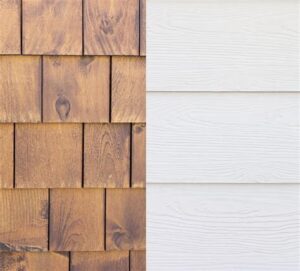
Factors That Affect The Longevity Of Wood Siding: The Science Explained
When considering wood siding for your home, understanding the longevity factors is crucial. Several scientific elements contribute to the durability of wood siding, impacting how long it will last and perform. Here are the key factors that influence the longevity of wood siding:
- Wood Species: Different types of wood possess varying densities, natural resistances, and cellular structures. Hardwoods like oak and maple generally offer better durability compared to softwoods, which can impact longevity.
- Moisture Content: Wood is sensitive to moisture, and high humidity can lead to rot and mold. Proper moisture control during installation and maintenance is vital in prolonging the life of wood siding.
- Environmental Factors: Climate plays a significant role in wood longevity. Areas with extreme weather conditions—such as heavy rain, scorching sun, or severe cold—can deteriorate wood faster than those with more moderate climates.
- Installation Quality: The science of installation isn’t just about aesthetics; improper installation can lead to gaps and spaces that allow moisture penetration, ultimately reducing the longevity of the siding.
- Finishing Products: Treatments and finishes that protect wood from UV rays and moisture contribute significantly to its lifespan. Regular maintenance and reapplication of protective coatings are essential for effective defense against the elements.
- Insect and Pest Resistance: Certain wood species naturally resist pests, while others are susceptible. Choosing wood siding that has treatment against termites and other wood-destroying organisms can help maintain its integrity over time.
By understanding these factors, homeowners can make informed decisions about their wood siding choices, ensuring that they invest in materials that will last. The science behind wood selection and maintenance is key to achieving a beautiful and enduring exterior for your home.
Frequently Asked Questions
What types of wood are commonly used for siding?
Common types of wood used for siding include cedar, redwood, pine, and cypress. Each type has unique properties that affect durability, appearance, and maintenance.
Why is cedar wood often recommended for siding?
Cedar wood is highly regarded for siding due to its natural resistance to decay and insects, appealing appearance, and ability to insulate homes effectively.
What factors should be considered when choosing wood for siding?
Key factors to consider include the wood’s durability, resistance to weather conditions, aesthetic appeal, ease of maintenance, and cost.
How does the climate affect wood siding choices?
Different climates can impact the longevity and performance of wood siding. For example, in humid areas, woods with high natural resistance to moisture and decay, like cedar, are preferable.
What is the impact of wood quality on siding performance?
Higher-quality wood siding is more resilient against environmental stresses, has a longer lifespan, requires less maintenance, and enhances the overall look of a home.
What treatments can enhance the durability of wood siding?
Treatments such as sealing, staining, and using water-repellent preservatives can significantly enhance the durability and lifespan of wood siding.
Is it possible to recycle or reuse old wood siding?
Yes, old wood siding can often be recycled or repurposed for various projects, reducing waste and promoting sustainability in home improvement.
Leave a Reply