

When it comes to protecting your home, understanding the role of wood siding in your insurance coverage is crucial. Wood siding not only adds aesthetic appeal to your property but also influences the terms and rates of your home insurance policy.
In this article, we’ll explore the intricate relationship between wood siding and home insurance, examining how it affects premiums, coverage options, and the claims process. From evaluating your siding’s appropriateness for coverage solutions to the benefits of regular maintenance, we aim to equip homeowners with essential knowledge.
Whether you’re considering wood siding for a renovation or seeking to optimize your current insurance policy, this guide will help you navigate the intricacies of wood siding and home insurance, ensuring you’re well-prepared for any challenges ahead.
Understanding Wood Siding’s Impact On Home Insurance
When it comes to securing home insurance, wood siding can play a significant role in determining coverage options and premium costs. Insurers evaluate various factors related to the materials used in a home’s exterior when assessing risk. Here, we delve into how wood siding influences your insurance policy and why it’s crucial to understand its implications.
One of the primary concerns with wood siding is its susceptibility to environmental factors such as moisture, pests, and fire. Homes with wood siding may be more prone to damage due to these elements, potentially leading to higher insurance premiums. Insurers often categorize homes based on the materials used, and wood siding may be viewed as a higher risk compared to materials like vinyl or brick.
Furthermore, the condition and maintenance of your wood siding can also impact insurance assessments. Regular maintenance can help mitigate risks and demonstrate to insurers that you are proactive about preventing damage. This diligence may ultimately lead to more favorable rates or coverage options.
Understanding how wood siding impacts your home insurance is essential for homeowners. Not only does it affect the cost, but it may also influence your ability to secure comprehensive coverage. If you’re considering installing wood siding or already have it, consulting with your insurance provider to discuss implications can help you make informed decisions about your home’s protection.
How Wood Siding Affects Your Insurance Premiums
Understanding how wood siding can influence your home insurance premiums is essential for every homeowner. Insurance providers often assess the materials used in a home’s construction when determining risk, which directly correlates to premium costs.
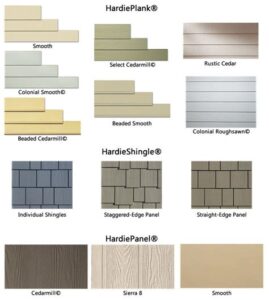
Generally, homes with wood siding may face higher insurance premiums compared to those constructed with more fire-resistant materials. This is primarily due to the increased risk of fire damage, especially in areas prone to wildfires. Therefore, insurers often categorize homes with wood siding as having a higher risk profile.
However, not all wood siding is created equal. The type of wood, its treatment, and the overall condition of the siding can significantly influence your premiums. For instance, treated woods that resist decay and pests may result in lower premiums compared to untreated varieties. Furthermore, if your home has been regularly maintained and shows no signs of wear and tear, this could also positively impact your premium rates.
Another factor to consider is the impact of local building codes and regulations. In areas where fire-resistant materials are encouraged or mandated, homes with wood siding may see steeper insurance costs. On the flip side, advancements in fire-retardant coatings for wood siding can help in mitigating some risks, and thus potentially lower premiums.
It’s crucial to discuss your specific situation with your insurance agent. They can provide tailored solutions that consider your unique circumstances, including the type of wood siding, any upgrades you’ve made, and your overall risk profile. Always keep in mind that maintaining good communication with your insurer can lead to better coverage options and potentially more favorable premium rates.
Evaluating Wood Siding for Proper Coverage Solutions
When it comes to Wood Siding and home insurance, one of the most important steps for homeowners is to evaluate the specific needs of their property regarding coverage solutions. Understanding the implications of choosing wood siding can help you make informed decisions about your insurance policy and ensure that you have the best protection in place.
Here are several key factors to consider when evaluating your Wood Siding for proper coverage:
- Material Quality: Assess the quality of the wood siding material used on your home. Higher-quality woods may withstand wear and tear better, potentially resulting in lower premiums.
- Installation and Design: The way your wood siding is installed can affect insurance coverage. Homes with proper installation generally face fewer risks, which can lead to a favorable review by insurers.
- Location: Consider how your home’s location affects its risk exposure. Areas prone to wildfires or heavy storms may necessitate additional coverage options for your Wood Siding.
- Maintenance History: Regular maintenance plays a crucial role in the longevity of wood siding. An inspection record demonstrating consistent upkeep may lead to lower premiums or more favorable coverage options.
- Replacement and Repair Costs: Know the estimated costs for replacing or repairing your wood siding. Ensure your policy reflects adequate coverage for these expenses, especially in the event of damage or a claim.
By carefully considering these factors, you can ensure that you have comprehensive coverage tailored to your home’s characteristics and specific needs related to your Wood Siding. This proactive approach not only secures your investment but also prepares you for any potential claims in the future.

Disclosures About Wood Siding When Filing Claims
When it comes to filing insurance claims, being candid about your wood siding is crucial. Insurance companies require full disclosures to effectively assess the situation and determine the rightful compensation. Here are key points to consider:
- Material Condition: Clearly describe the condition of your wood siding prior to the incident. If there were existing issues, such as rot or insect damage, disclose this information, as it can impact your claim.
- Maintenance Records: Keep records of any maintenance or repairs performed on your wood siding. Providing evidence of regular upkeep can strengthen your claim and demonstrate your commitment to preserving your home.
- Installation Details: Specify when and how the wood siding was installed. This includes mentioning any upgrades, as newer materials may have different coverage implications than older ones.
- Weather-related Incidents: Be upfront about any severe weather events that could have contributed to damage. This details necessary for the insurer to determine the claim’s validity.
- Prior Claims: If you’ve previously filed any claims related to your wood siding, make sure to disclose those as well. A history of claims may be relevant in the assessment process.
Being transparent and thorough with these disclosures will not only expedite the claims process but could also lead to a more favorable outcome regarding your wood siding insurance claim.
Benefits of Regular Maintenance for Wood Siding Insurance
Maintaining your wood siding is crucial not only for the appearance of your home but also for the implications it has on your home insurance. Regular upkeep of wood siding can lead to numerous benefits that directly affect your insurance coverage and premiums.
- Increased Longevity: Proper maintenance helps in extending the lifespan of your wood siding. This ultimately reduces the likelihood of costly replacements or repairs, which insurance claims can stem from.
- Enhanced Curb Appeal: Regularly maintained wood siding improves your property’s aesthetic, which can positively influence your home’s market value and, consequently, your insurance valuation.
- Prevention of Damage: Timely maintenance can prevent common issues such as rot, mold, and pest infestations. By addressing these problems early, you reduce the risk of having to file claims, which can protect your insurance premium.
- Better Coverage Availability: Insurers may offer more favorable terms and coverage options for homes with well-maintained wood siding. Conversely, neglecting upkeep might limit your ability to secure certain types of coverage.
- Documentation of Maintenance: Keeping records of regular maintenance can serve as proof to your insurer that you are actively caring for your property. This could be beneficial if you ever need to file a claim related to wood siding issues.
By committing to regular maintenance of your wood siding, you not only protect your investment but also strengthen your position with your home insurance provider. It’s a win-win situation for homeowners looking to safeguard their property and ensure their insurance remains effective.

Frequently Asked Questions
What is wood siding?
Wood siding is an exterior covering for buildings made from wood boards or panels, commonly used for its aesthetic appeal and durability.
How does wood siding impact home insurance?
Home insurance companies often consider the type of siding when assessing risk; wood siding can increase premiums due to its susceptibility to fire and weather-related damage.
What should homeowners do to protect their wood siding?
Homeowners should maintain wood siding through regular painting, sealing, and inspections to prevent damage from moisture and pests.
Are there any discounts available for wood siding in home insurance?
Some insurance companies may offer discounts for well-maintained wood siding or certain protective measures, such as fire-resistant treatments.
What are the common issues associated with wood siding?
Common issues with wood siding include rotting, warping, insect infestation, and damage from weather elements, which can lead to costly repairs.
Is wood siding a good investment for my home?
Wood siding can enhance your home’s curb appeal and possibly increase its value, but it requires regular maintenance to justify the investment.
What alternatives to wood siding can help with insurance rates?
Alternatives like vinyl or fiber-cement siding may lower insurance premiums due to their durability and lower risk of damage compared to wood.
Leave a Reply