

When it comes to enhancing the beauty and durability of your home, wood siding stands out as a timeless choice. Offering a perfect blend of natural aesthetics and robust performance, wood siding can elevate any architectural style. Whether you’re seeking to create a rustic cottage vibe or a sleek, modern look, understanding the myriad of wood siding styles and designs is essential.
In this comprehensive guide, we’ll delve into the fundamentals of wood siding, explore popular styles to suit various home designs, and provide expert tips for choosing the right materials based on your climate. Additionally, we’ll share essential maintenance advice and a step-by-step approach to installation, ensuring you achieve professional results. Ready to transform your home? Let’s embark on this journey of discovering the perfect wood siding for your needs!
What Is Wood Siding? Your Guide To Understanding The Basics
Wood siding is a popular exterior cladding option that enhances both the aesthetic and functional aspects of a home. Made from natural wood materials, it provides a warm, inviting appearance while also offering durability and insulation benefits. Understanding wood siding is essential for homeowners looking to enhance their property’s curb appeal and energy efficiency.
There are several types of wood siding available, each with its unique characteristics. The most common styles include:
- Clapboard: This traditional style features long, horizontal boards that overlap, creating a classic look.
- Shingle: Shingles can be installed in various patterns and are ideal for a rustic appearance.
- Board and Batten: This style involves wide boards with narrow strips (battens) covering the joints, giving a more pronounced texture.
- Log siding: Log siding mimics the appearance of a log cabin while providing the ease of installation associated with conventional siding.
When choosing wood siding, one should consider factors such as local climate, maintenance requirements, and desired aesthetics. Wood siding can be treated with various finishes to improve its resistance to weathering, decay, and insect damage, making it a highly adaptable option.
Wood siding is a versatile choice for homeowners seeking a blend of natural beauty and practicality. It complements various architectural styles and contributes to the overall ambiance of your living space. For further insight on styles and designs, continue exploring the subsequent sections of this guide.
Popular Wood Siding Styles For Every Home Design
Wood siding comes in various styles, each offering unique aesthetics and functionality suited to different home designs. Here are some popular Your Guide styles to consider for your home:
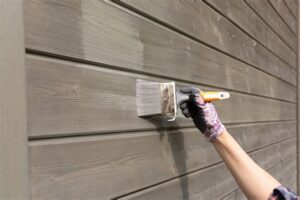
- Clapboard Siding: This classic style consists of long, horizontal boards that overlap to create a smooth finish. It’s commonly seen in traditional homes and is available in various wood species.
- Shingle Siding: Shingle siding offers a rustic charm, typically made of cedar, and is cut into rectangular or tapered shapes. This style is perfect for coastal or cottage-style homes.
- Board and Batten: Characterized by wide boards with narrow strips (battens) covering the gaps, this style adds depth and texture, making it suitable for modern and farmhouse designs.
- Lap Siding: Similar to clapboard, lap siding features wider boards that create a contemporary look. It’s commonly used in modern architectural designs.
- Bevel Siding: Also known as slant cut siding, this style consists of boards that are thicker on one edge and taper down, enhancing the visual interest and providing excellent water runoff.
- Vertical Siding: Vertical wood siding creates a unique and striking appearance, drawing the eye upwards and lending a sense of height to the home. It works well with contemporary and artistic designs.
Each wood siding style can greatly influence the overall look of your home while providing insulation and weather resistance. When selecting your siding, consider how the style aligns with your home’s architecture and your personal taste.
How To Choose The Right Wood Siding For Your Climate
When considering Your Guide to wood siding, it’s essential to factor in the climate of your area, as it significantly impacts the durability and performance of your siding. Here are some key points to consider:
- Humidity Levels: In humid climates, opt for wood species that are naturally resistant to moisture and decay, such as cedar or redwood. These woods can withstand the increased moisture without warping or rotting.
- Temperature Fluctuations: If you live in an area with significant temperature changes, choose kiln-dried wood siding. This form of siding is less likely to expand and contract, preventing gaps and ensuring a more consistent appearance.
- Precipitation: For regions with heavy rainfall, look for treatments and finishes that offer additional water resistance. Pressure-treated wood can also provide extra protection against moisture penetration.
- Sun Exposure: In sunny areas, the UV rays can fade wood siding quickly. Consider using woods with natural color retention properties, or ensure you apply a quality UV-protective finish to prolong its appearance.
- Wind and Storm Activity: For high-wind areas, select thicker boards and secure them properly to resist damage from storms. Additionally, consider wood siding with a tight grain structure for added strength and resilience.
Understanding your specific climate will help you make informed decisions on the best type of siding for your home. By following this Your Guide, you can enjoy the beauty and durability of wood siding for years to come.
Maintenance Tips: Keeping Your Wood Siding Beautiful
Wood siding can significantly enhance the aesthetic appeal of your home, but it requires regular maintenance to keep it looking its best. Here are some essential tips to help you maintain your wood siding:
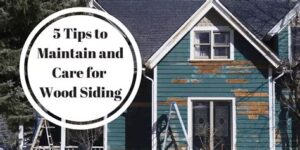
- Regular Cleaning: Ensure to wash your wood siding at least once a year. Use a gentle cleanser and a soft brush or sponge to remove dirt, mold, and mildew without damaging the surface.
- Inspect for Damage: Regularly check for signs of rot, insect damage, or warping. Address any issues promptly to prevent further deterioration.
- Reapply Finishes: Depending on the type of finish used, you may need to reapply paint or stain every 3-7 years. Ensure the surface is clean and dry before applying new finishes.
- Seal Cracks and Gaps: Use caulk to seal any gaps or cracks that may develop over time. This will help in preventing moisture intrusion and pest infestations.
- Trim Vegetation: Keep plants and trees trimmed away from your siding. This will minimize moisture buildup and reduce the risk of pests.
- Control Moisture: Ensure proper drainage around your home and fix any leaks in gutters or downspouts to prevent excess moisture in contact with your wood siding.
- Consider Professional Help: If you’re unsure about any maintenance tasks or notice significant damage, hiring a professional for an inspection and repair is always a good idea.
By following these maintenance tips, you can ensure that your wood siding continues to enhance your home’s beauty for many years to come. Remember, regular upkeep is key to preserving the quality of your siding and maximizing the investment in your home.
Your Guide To Installing Wood Siding Like A Pro
Installing wood siding can be a rewarding project that significantly enhances the aesthetics and value of your home. To ensure the best results, it’s essential to follow a systematic approach. Here’s your guide to install wood siding like a pro.
1. Gather Your Materials
Before you begin, make sure you have all the necessary materials and tools. You will need:
- Wood siding panels
- Flashing
- House wrap
- Nails or screws
- Level
- Saw
- Measuring tape
- Hammer or drill
- Caulk and caulking gun
- Paint or stain (optional)
2. Prepare the Wall Surface
Ensure the wall surface is clean and free of any old siding or debris. If necessary, repair any damaged sections that may compromise the integrity of the wood siding.
3. Install House Wrap
Before you install the wood siding, apply a layer of house wrap to protect against moisture. Overlap the seams and secure it with a staple gun for a tight fit.
4. Set Up Your First Course
Begin at the bottom of the wall. Use a level to mark a straight horizontal line where the first course will sit. This ensures that your siding is even and aesthetically pleasing.
5. Cut and Fit the Siding
Cut your wood siding to fit the first course. Always place the cut edges against the wall for added stability. Remember to leave a small gap at the bottom to allow for drainage.
6. Install the Siding Panels
Begin attaching the siding panels from the bottom up. Use nails or screws to secure each panel, ensuring you don’t drive them too deep, which can crack the wood. Follow the manufacturer’s guidelines for spacing.
7. Stagger the Joints
To create a more professional look, stagger the joints between panels. This prevents a straight line from forming, which can detract from the visual appeal of your siding.
8. Apply Flashing Around Windows and Doors
Install flashing around windows and doors to prevent water infiltration. This is a critical step that should not be overlooked to ensure the longevity of your wood siding.
9. Caulk and Finish Touches
Once all the panels are installed, apply caulk around edges and seams to seal any gaps and improve the weather resistance of your siding.
10. Paint or Stain (If Required)
Finish off your project by applying a protective paint or stain. This will not only enhance the beauty of your wood siding but also add a layer of protection against the elements.
By following your guide to installing wood siding, you can achieve a professional-looking result that enhances your home’s curb appeal and ensures durability.

Frequently Asked Questions
What are the main styles of wood siding?
The main styles of wood siding include clapboard, board and batten, shingles, and tongue-and-groove, each offering a distinct aesthetic and functional benefits.
What is the difference between horizontal and vertical wood siding?
Horizontal wood siding is installed with boards overlapping each other from side to side, creating a classic look, while vertical wood siding is installed with boards stacked on top of each other, often giving a more modern appearance.
How does the type of wood affect siding design?
Different types of wood, such as cedar, pine, or redwood, vary in durability, grain patterns, and resistance to moisture and pests, influencing overall design and maintenance requirements.
What are the key advantages of using wood siding?
Wood siding provides advantages such as excellent insulation, a natural aesthetic appeal, and the ability to be painted or stained in various colors. Additionally, it is a renewable resource when sourced sustainably.
How can I maintain my wood siding?
Proper maintenance of wood siding includes regular cleaning, inspection for signs of damage, repainting or re-staining as needed, and applying sealants to protect against moisture.
Are there specific designs recommended for different climates?
Yes, design recommendations can vary based on climate; for example, in humid areas, materials resistant to rot are preferred, while in snowy regions, a design that sheds snow effectively is ideal.
What are popular color trends for wood siding?
Popular trends for wood siding colors include natural wood tones, muted earthy colors, and bold statement hues, which can enhance the home’s character while fitting in with the surrounding environment.
Leave a Reply