

In the evolving world of home exteriors, wood siding stands out as a classic choice that brings both aesthetic charm and functional benefits. However, homeowners often grapple with the financial implications of selecting wood siding over other materials.
This article aims to provide a comprehensive analysis of the cost-effectiveness of wood siding, delving into its benefits and drawbacks, and evaluating long-term cost savings. We will compare wood siding to alternative materials, assess maintenance expenses, and examine how installation costs factor into the overall financial picture.
By the end of this exploration, you’ll be well-equipped to make an informed decision about whether wood siding is the right investment for your home. Join us as we analyze the tangible and intangible costs associated with this timeless building material.
Understanding Wood Siding: Benefits And Drawbacks
Wood siding is a popular choice for homeowners due to its natural beauty and versatility. However, it is important to consider both the benefits and drawbacks when making a decision. Let’s delve into the key aspects of using wood siding.
Benefits of Wood Siding
- Aesthetic Appeal: Wood siding offers a warm and inviting look that can enhance the curb appeal of any home. Its variety of styles, colors, and textures allow homeowners to choose a design that complements their architectural style.
- Insulation Properties: Wood is a natural insulator, which can help in reducing energy costs by maintaining consistent indoor temperatures.
- Eco-Friendliness: When sourced responsibly, wood siding can be a sustainable choice. It is biodegradable and can have a lower carbon footprint compared to synthetic materials.
- Customizability: Wood siding can be easily stained or painted, giving homeowners the freedom to change its appearance over time without needing a complete replacement.
Drawbacks of Wood Siding
- Maintenance Requirements: Wood siding typically requires more maintenance than other materials. Regular painting, staining, and sealing may be needed to maintain its appearance and protect against weather damage.
- Susceptibility to Pests: Wood is prone to insect infestations such as termites, which can lead to costly repairs if not treated properly.
- Cost Variation: The initial cost of wood siding can be higher than other materials, particularly when opting for premium species of wood.
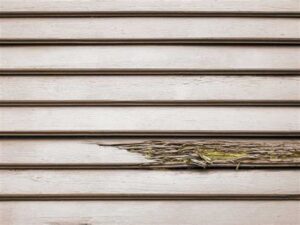
- Environmental Factors: Wood siding is susceptible to environmental damage, such as rot and warping, if not properly maintained or installed in appropriate climates.
While wood siding offers numerous advantages including aesthetic appeal and insulation properties, it also presents certain challenges such as maintenance and susceptibility to pests. Weighing these pros and cons is crucial when analyzing the suitability of wood siding for your home.
Analyzing The Long-Term Cost Savings Of Wood Siding
When it comes to analyzing the cost-effectiveness of wood siding, long-term savings play a crucial role. While initial investment costs may be higher compared to some alternative materials, the longevity and durability of wood siding can lead to substantial savings over time. Here are several factors to consider:

- Durability and Lifespan: Quality wood siding can last decades when properly maintained. With a lifespan of 20 to 40 years or more, it often outlasts other materials such as vinyl or aluminum, which may need replacement sooner.
- Energy Efficiency: Wood is an excellent insulator, which helps in reducing heating and cooling costs. Proper insulation with wood siding can lead to lower energy bills over time.
- Resale Value: Homes with wood siding typically appeal to buyers, potentially increasing resale value. The aesthetic and natural appeal of wood can make it a preferred choice in many neighborhoods.
- Maintenance Savings: While regular maintenance is necessary for wood siding, it is often less expensive than the ongoing costs associated with other materials, such as painting or replacement due to fading.
- Tax Incentives: In some regions, homeowners can benefit from tax incentives for using sustainable materials like wood, which can further add to the cost savings in the long run.
Opting for wood siding can provide significant long-term financial benefits that outweigh the initial costs. By analyzing the factors mentioned above, homeowners can better understand how wood siding can enhance their investment while providing aesthetic and functional value for years to come.
Comparing Wood Siding To Other Materials In Costs
When analyzing the cost-effectiveness of wood siding, it is essential to consider how it stacks up against other popular siding materials such as vinyl, fiber cement, and aluminum. Each material comes with its own set of costs, benefits, and drawbacks that can significantly impact long-term home ownership expenses.
Here’s a breakdown of the initial material costs for various siding options:
| Material | Average Cost per Square Foot | Longevity (Years) |
|---|---|---|
| Wood | $3 – $6 | 20 – 40 |
| Vinyl | $2 – $5 | 20 – 40 |
| Fiber Cement | $4 – $10 | 30 – 50 |
| Aluminum | $3 – $7 | 20 – 40 |
While wood siding may have a slightly higher cost compared to vinyl or aluminum, it often provides better aesthetic appeal and energy efficiency. On the other hand, fiber cement, although more durable, can be significantly more expensive upfront. The initial costs are just one part of the equation; it’s also crucial to consider long-term maintenance and replacement costs.
In terms of maintenance, wood siding requires periodic painting or staining to maintain its appearance and prevent deterioration. This could add to the overall expense compared to materials like vinyl, which is relatively low-maintenance. However, if well-maintained, wood can last a long time and maintain a higher resale value.

analyzing the various cost factors associated with wood siding compared to others can help homeowners make informed decisions based on their budget, aesthetic preferences, and commitment to maintenance. As always, it’s advisable to consult with a local contractor for personalized estimates and advice based on specific property conditions.
Evaluating Maintenance Costs Associated With Wood Siding
When analyzing the cost-effectiveness of wood siding, it’s essential to consider ongoing maintenance costs that can influence the overall financial picture. Wood siding, while aesthetically pleasing and environmentally friendly, requires regular upkeep to protect it from the elements and maintain its appearance.
Here are some key maintenance costs to take into account:
- Painting and Staining: Wood siding typically needs to be painted or stained every 3 to 7 years. The average cost for this maintenance task ranges from $1,500 to $3,000, depending on the size of the home and the quality of the materials used.
- Repairs: Over time, wood siding can develop issues such as rot, warping, or insect damage. Repair costs can vary significantly, with minor repairs estimated at $300 to $500, while more extensive damage can exceed $1,000.
- Cleaning: To maintain wood siding’s look and protection, regular cleaning is necessary. Power washing and preventive measures against mold and mildew can cost approximately $200 to $400 annually.
- Sealants and Treatments: To prolong the lifespan of wood siding, applying sealants or treatments against moisture can incur additional costs, typically around $100 to $500, depending on the product used and the size of the house.
When calculating the long-term expenses, homeowners should factor these maintenance costs into their budgeting. This investment in upkeep is crucial for preserving the aesthetic appeal and structural integrity of wood siding, ultimately influencing its cost-effectiveness compared to other materials.
Impact Of Installation Costs On Overall Cost-Effectiveness
When analyzing the cost-effectiveness of wood siding, one crucial factor to consider is the installation cost. While wood siding offers numerous advantages, such as aesthetic appeal and insulation benefits, the cost of installation can significantly affect the overall financial viability of choosing this material.
Installation costs can vary based on several factors, including:
- Type of wood siding selected (e.g., cedar, pine, or engineered wood)
- The complexity of the architecture of the home, which may require more precision during installation
- Location and accessibility of the property, which can impact labor costs
- Experience and reputation of the installation contractor
In terms of return on investment, higher installation costs may be justified if they lead to better durability and lower maintenance expenditures down the line. Investing in professional installation and high-quality wood siding may minimize mistakes and promote longevity, thereby enhancing the cost-effectiveness of the installation.
Moreover, the impact of installation costs should also be viewed in light of potential energy savings resulting from effective insulation provided by wood siding. Over time, these savings can offset the initial higher installation expenses and contribute to a more favorable long-term financial analysis.
Overall, while the installation cost of wood siding can be a significant upfront expense, when analyzing the cost-effectiveness, it is essential to consider both immediate and future financial implications, including durability, maintenance needs, and potential energy savings.
Frequently Asked Questions
What factors contribute to the cost-effectiveness of wood siding?
Factors include the initial material cost, installation expenses, maintenance requirements, and potential energy savings over time.
How does wood siding compare to vinyl siding in terms of cost-effectiveness?
While wood siding may have a higher initial cost, it often provides better insulation and aesthetics, potentially saving money on energy bills and enhancing property value.
What are the maintenance costs associated with wood siding?
Maintenance costs for wood siding can include periodic painting or staining, repairs for damage from weather or pests, and regular cleaning to prevent mold growth.
Is wood siding a sustainable choice for homeowners?
Yes, wood siding can be a sustainable option if sourced from responsibly managed forests, as it is biodegradable and has a lower environmental impact than some synthetic materials.
How does climate affect the cost-effectiveness of wood siding?
In climates with severe weather conditions, wood siding may require more frequent maintenance and repairs, which can increase overall costs compared to other materials.
What are the long-term financial benefits of investing in wood siding?
Long-term benefits may include increased home resale value, lower utility bills due to better insulation, and reduced home insurance costs if wood siding is properly maintained.
Are there specific types of wood siding that are more cost-effective than others?
Yes, certain types like cedar and redwood are more resistant to decay and pests, potentially reducing long-term maintenance costs compared to less durable woods.
Leave a Reply