
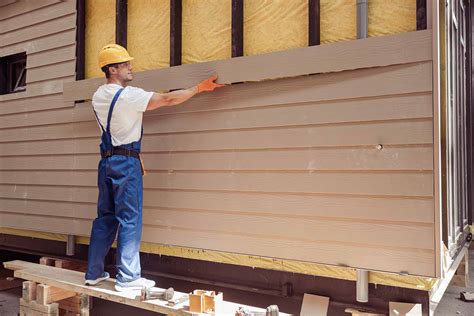
When it comes to enhancing the curb appeal and longevity of your home, maintaining wood siding is crucial, particularly in areas prone to harsh weather conditions.
Wood siding, while aesthetically pleasing and environmentally friendly, requires careful attention to ensure it withstands rain, snow, and extreme temperatures. In this article, we will delve into the essential steps for maintaining your wood siding, from understanding the importance of upkeep to identifying signs that indicate your siding needs attention.
By exploring effective weatherproofing techniques and the long-term benefits of regular maintenance, you can protect your investment and keep your home looking beautiful year-round. Join us as we guide you through the best practices for preserving the integrity of your wood siding against the elements.
Understanding The Importance Of Maintaining Your Wood Siding
Maintaining your wood siding is crucial for several reasons that extend beyond simple aesthetics. First and foremost, maintaining your wood siding ensures its longevity. When wood siding is properly cared for, it can withstand harsh weather conditions, avoiding premature deterioration that can lead to costly repairs or replacements.
Additionally, regular maintenance enhances the energy efficiency of your home. Well-maintained siding creates a better seal against elements such as wind and rain, which can contribute to energy loss and increased utility bills. Furthermore, taking care of your wood siding helps in preventing pest infestations, which are common in homes with untreated wood.
Moreover, maintaining your wood siding maintains the value of your property. A home with visible signs of neglect can deter potential buyers and lead to a decrease in market value. In contrast, a well-maintained exterior instills confidence in the structural integrity of your home.
Regular maintenance allows homeowners to spot potential problems early before they escalate into significant issues. This proactive approach saves time, stress, and financial resources in the long run, making maintaining your wood siding not just a necessity, but a wise investment.
Essential Preparations For Weatherproofing Your Wood Siding
Before embarking on the journey of maintaining your wood siding, it is crucial to undertake several essential preparations to effectively weatherproof your home. Proper preparation not only extends the lifespan of your siding but also protects it against the elements. Below are some key steps to consider:
- Inspect and Clean: Start by thoroughly inspecting your wood siding for any signs of damage, such as rot, cracks, or splinters. Cleaning the surfaces with a mild detergent and water will remove dirt and mildew, allowing for better adhesion of weatherproofing treatments.
- Repair Damages: Address any identified damage immediately. This may involve sanding rough areas, filling gaps with wood filler, or replacing severely damaged boards. Taking care of repairs before applying weatherproofing products is essential.
- Choose the Right Weatherproofing Products: Selecting high-quality weatherproofing products specifically designed for wood siding is vital. Look for sealants, stains, or paints that offer UV protection and water resistance to ensure maximum effectiveness.
- Consider the Weather: Timing your weatherproofing efforts is crucial. Ideally, you should aim for a dry season with mild temperatures, avoiding extreme temperatures or rainy days. This will allow the products to cure properly.
- Gather Necessary Tools: Prepare your workspace by gathering all necessary tools, such as brushes, rollers, sprayers, ladders, and drop cloths. Having all tools ready will streamline the weatherproofing process.
By taking these critical steps in preparation for maintaining your wood siding, you position yourself for success in protecting your home against harsh weather conditions. Proper preparation ensures that the weatherproofing process is efficient and effective, leading to long-term benefits for your wood siding.

Effective Techniques For Maintaining Your Wood Siding Durability
Maintaining your wood siding is essential to ensure its longevity and aesthetic appeal. Here are some effective techniques for maintaining your wood siding durability:
- Regular Cleaning: Use a gentle pressure washer or a soft brush with soap and water to clean your wood siding at least once a year. This helps remove dirt, mold, and mildew that can deteriorate the wood over time.
- Inspection: Conduct a thorough inspection of your siding every season. Look for cracks, splits, or signs of insect infestation that may require immediate attention.
- Reapplication of Finish: Every few years, check the integrity of the paint or stain on your siding. A fresh coat will protect against moisture and UV damage. Be sure to sand and prep the surface before applying a new finish.
- Seal Gaps and Cracks: Use caulk or wood filler to seal any gaps or cracks found during your inspections. This prevents water from seeping in and causing further damage.
- Trim Vegetation: Ensure that plants and shrubs are trimmed back from your siding. This minimizes moisture buildup and allows for proper airflow, reducing the risk of rot.
- Address Water Drainage: Ensure that gutters and downspouts are functioning properly and directing water away from your home’s foundation. Poor drainage can lead to prolonged exposure to moisture, which harms wood siding.
By implementing these techniques, you can effectively protect your wood siding from harsh weather conditions and prolong its lifespan. Regular maintenance is vital to avoid costly repairs and ensure your siding remains in optimal condition.
Signs That Indicate Your Wood Siding Needs Maintenance
Maintaining your wood siding is crucial for its longevity and appearance. Here are some signs that indicate your wood siding needs maintenance:

- Peeling or Cracking Paint: If you notice paint that is peeling or cracking, this is a clear indication that your wood siding is not properly sealed and may need repainting.
- Warping or Buckling: Wood siding can warp or buckle due to exposure to moisture. If you see any warped planks, it’s time to inspect your siding for potential damage.
- Gaping Seams: Check for gaps between the siding boards. These gaps can allow moisture to seep in, leading to wood rot if not addressed promptly.
- Mold or Mildew Growth: The presence of mold or mildew on your wood siding indicates trapped moisture. This requires immediate attention to prevent further deterioration.
- Termite Damage: If you find small holes or tunnels in the wood, it might suggest that termites have made your siding their home. Regular inspections can help catch these issues early.
- Sun Damage: Overexposure to sunlight can lead to fading or discoloration. If your siding appears washed out or worn, it may need protective treatment.
- Soft or Spongy Wood: If you press on the siding and it feels soft or spongy, this suggests that it might be rotting. This requires immediate inspection and repair.
Regularly monitoring your wood siding for these signs can help in maintaining your home’s exterior integrity and aesthetics. Addressing issues promptly not only protects your investment but also enhances your home’s curb appeal.
Long-Term Benefits Of Regularly Maintaining Your Wood Siding
Regularly maintaining your wood siding is not just an investment in aesthetics; it significantly extends the lifespan and functionality of your home’s exterior. Here are some key long-term benefits:
- Enhanced Durability: By performing consistent maintenance, such as cleaning, sealing, and repairing, you fortify your wood siding against the elements, helping it withstand harsh weather.
- Cost Savings: Preventative maintenance can reduce the need for expensive repairs or replacements that could arise from neglecting your wood siding.
- Improved Energy Efficiency: Well-maintained siding helps avoid air leaks and enhances insulation, leading to lower energy costs over time.
- Increased Property Value: A home with well-kept wood siding is more appealing to buyers, which can result in a higher resale value.
- Reduced Risk of Pests: Regular inspections and maintenance can prevent infestations of wood-boring insects, mold, and rot, which thrive in neglected conditions.
maintaining your wood siding through regular upkeep ensures that your home remains not only beautiful but also structurally sound and economically viable for years to come.

Frequently Asked Questions
Why is it important to maintain wood siding?
Maintaining wood siding is crucial to prevent damage from harsh weather, pests, and rot, which can significantly affect the appearance and longevity of your home.
What are some signs that my wood siding needs maintenance?
Signs include cracks, warping, peeling paint, mold growth, and visible wood rot. It’s essential to address these issues promptly to avoid more extensive repairs.
How often should I inspect my wood siding?
It’s advisable to inspect your wood siding at least twice a year, ideally in spring and fall, to catch any damage early and ensure timely repairs.
What maintenance steps can I take during the winter months?
During winter, ensure proper drainage around the foundation, remove snow buildup, and check for ice dam formation on eaves, which can compromise your siding.
What are some effective cleaning methods for wood siding?
Using a soft-bristle brush and mild detergent, followed by rinsing with a garden hose, is effective. You can also utilize a pressure washer with caution to remove mildew and dirt.
Is there a recommended sealant for wood siding?
Yes, using a high-quality, water-repellent sealant or wood preservative is recommended to protect against moisture and UV damage. Look for products specifically designed for exterior wood.
How can I prevent pests from damaging my wood siding?
Regular maintenance, such as sealing gaps, painting, and ensuring proper ventilation, along with treating the wood with insect-repellent finishes, can help prevent pest infestations.
Leave a Reply