
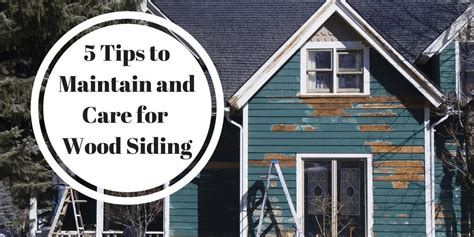
Maintaining the beauty and integrity of wood siding requires diligent care and attention. As a material known for its natural aesthetic appeal, wood siding can enhance the charm of any home, but it also demands regular inspection and maintenance to ensure longevity.
In our article, Best Practices For Wood Siding Care And Inspection, we’ll explore essential tools and techniques that homeowners need for effective wood siding upkeep. From key best practices for cleaning to recognizing signs that indicate the need for repairs, we’ll guide you through strategies that can help you preserve the quality of your siding season after season.
By investing time in regular inspections and proper care, you can significantly extend the lifespan of your wood siding, ensuring it remains a stunning feature of your home for years to come.
Essential Tools For Wood Siding Inspection and Maintenance
Proper inspection and maintenance of wood siding are crucial for ensuring its longevity and appearance. To effectively carry out these tasks, having the right tools on hand can make all the difference. Here’s a list of essential tools you should consider for the best practices in wood siding care:
- Moisture Meter: This tool helps measure the moisture content in the wood, allowing you to identify any potential issues with dampness or wood rot.
- Caulk and Caulking Gun: Essential for sealing gaps and cracks in wood siding to prevent moisture infiltration.
- Pressure Washer: Useful for deep cleaning your siding but should be used carefully to avoid damaging the wood. Opt for low pressure to maintain the integrity of the material.
- Paint Scraper: Helps in removing old paint, allowing for proper surface preparation before repainting or staining.
- Sanding Block or Orbital Sander: To smooth out rough areas and prepare the wood for finish applications.
- Paint Brushes and Rollers: Necessary for applying protective finishes, ensuring even coverage and protection against the elements.
- Level: A tool for checking the alignment of siding panels to ensure proper installation and avoid trapping water.
- Safety Gear: Don’t forget to equip yourself with safety glasses, gloves, and a dust mask when working with wood materials.
By utilizing these essential tools effectively, you can implement the best practices for wood siding inspection and maintenance, ensuring your siding remains in top shape for years to come.
Key Best Practices For Cleaning Wood Siding Effectively
Cleaning wood siding is essential for maintaining its appearance and longevity. Here are some best practices to consider for effective cleaning:

- Choose the Right Cleaning Solution: Use a mild, biodegradable detergent to avoid damaging the wood. Avoid harsh chemicals, which can strip the finish or harm the environment.
- Test a Small Area: Before applying any cleaning solution, test it on a small, inconspicuous area of the siding. This ensures that it won’t cause discoloration or damage.
- Use a Soft-Bristle Brush: Scrubbing with a soft-bristle brush can help remove dirt and grime without scratching the wood surface. Avoid metal brushes that can gouge the wood.
- Apply in Sections: Work in small sections at a time, applying your cleaning solution and rinsing promptly to prevent it from drying on the surface.
- Rinse Thoroughly: After cleaning, ensure to rinse off all soap and residue thoroughly with clean water to prevent build-up.
- Regular Maintenance: Schedule regular cleanings at least once a year, or more frequently in areas with high pollution or pollen, to keep your wood siding in top shape.
- Inspect During Cleaning: Use this opportunity to inspect for any signs of wear or damage, making it easier to address issues before they escalate.
Following these best practices will not only keep your wood siding looking fresh but also help extend its lifespan significantly.
Signs Indicating The Need For Wood Siding Repair
Identifying when your wood siding requires repair is crucial to maintaining its integrity and appearance. Here are some key signs to look for:
- Cracks and Splits: Deep cracks or splits in the wood can indicate that the siding is failing and needs immediate attention.
- Peeling Paint or Stain: If you notice peeling paint or stain, it may be a sign of moisture damage underneath the surface, which necessitates repair.
- Warping: Bowed or twisted planks suggest structural issues that could lead to further harm if not addressed.
- Mold and Mildew Growth: The presence of mold or mildew indicates excessive moisture, which can lead to rot if left untreated.
- Dark Spots: Darkened areas on wood siding can signify water damage, suggesting a potential need for repairs.
- Insect Infestation: Signs of insects, such as holes or small piles of sawdust at the base of the siding, indicate that you may need to replace damaged planks.
- softness or Deterioration: Pressing against the wood should yield a firm response. If it feels soft or crumbles, it’s time for repairs.
Regular inspections can help you identify these issues early on, allowing for timely repairs and the preservation of your wood siding, aligning with the Best Practices for care and maintenance.
Seasonal Care Best Practices To Extend Wood Siding Lifespan
Maintaining wood siding throughout the different seasons is crucial in prolonging its lifespan and preserving its natural beauty. Here are some best practices to ensure your wood siding remains in optimal condition year-round:
Spring Maintenance
- Thorough Cleaning: Start the season by washing your wood siding with a soft-bristle brush and a mild detergent to remove dirt and grime accumulated over winter.
- Inspection: Examine the siding for signs of wear, such as peeling paint or signs of rot, which may necessitate immediate attention.
Summer Preparations
- Repainting: If your wood siding has peeling paint, summer is an optimal time for repainting. Choose high-quality exterior paint designed for wood surfaces.
- Seal and Protect: Apply a water repellent or wood preservative to protect against moisture as humidity rises.
Autumn Readiness
- Gutter Cleaning: Clear gutters and downspouts to prevent water overflow that can damage wood siding.
- Filling Gaps: Inspect and caulk any gaps between the siding and trim to minimize moisture entry during rainy seasons.
Winter Preparation
- Insulation Checks: Ensure your home is adequately insulated to prevent condensation from forming on the siding, which can lead to mold and rot.
- Snow Removal: After heavy snowfalls, gently remove snow or ice buildup against the siding to reduce pressure and potential damage.
By incorporating these seasonal best practices into your wood siding maintenance routine, you can significantly enhance its durability and longevity, ensuring it continues to protect and beautify your home for years to come.
How Regular Inspections Improve Wood Siding Durability
Regular inspections are crucial for maintaining the integrity and longevity of wood siding. By implementing a routine check-up schedule, homeowners can catch early signs of wear and tear before they escalate into more significant issues. Here are some key points detailing how regular inspections contribute to the durability of wood siding:
- Identify Damage Early: Frequent inspections allow homeowners to quickly identify problems such as cracks, rot, or insect infestations that could compromise the siding’s stability.
- Enhance Maintenance Efforts: Regular checks make it easier to assess the effectiveness of ongoing maintenance practices, ensuring that cleaning, sealing, and painting are performed consistently.
- Prevent Costly Repairs: Addressing minor issues during early inspections can often prevent the need for costly repairs or full replacements later on.
- Assess Environmental Impact: Seasonal changes can affect wood siding. Regular inspections enable homeowners to understand how weather and environment impact their siding’s condition.
- Maintain Aesthetic Appeal: By regularly inspecting and maintaining wood siding, homeowners can keep their home’s exterior looking fresh and appealing, contributing to overall property value.
Incorporating these best practices for regular inspections into your routine can significantly enhance the lifespan and durability of wood siding, providing peace of mind and long-term protection for your investment.

Frequently Asked Questions
What are the key benefits of maintaining wood siding?
Proper maintenance of wood siding helps to protect it from moisture, pests, and decay, ensuring a longer lifespan and preserving the aesthetic appeal of your home.
How often should I inspect my wood siding?
It’s recommended to inspect your wood siding at least twice a year, ideally in the spring and fall, to catch any early signs of damage or wear.
What are some common signs of wood siding damage?
Common signs include cracked, peeling, or flaking paint, visible rot or mold, gaps between boards, and warping or buckling of the wood.
What is the best way to clean wood siding?
Use a soft-bristle brush and a mixture of mild detergent and water to gently scrub the siding, followed by rinsing with a garden hose. Avoid high-pressure washing, as it can damage the wood.
Should I paint or stain my wood siding?
Both paint and stain can be effective. Paint provides a protective layer and comes in various colors, while stain penetrates the wood and allows the natural grain to show. Choose based on your aesthetic preference and maintenance plans.
How can I prevent pests from damaging my wood siding?
Ensure that the siding is properly sealed, keep vegetation trimmed away from the structure, and consider using pest repellents or treatments specifically designed for wood protection.
What steps should I take if I discover significant damage during inspection?
If you find significant damage, it’s best to consult a professional for advice on repair or replacement options. Acting promptly can prevent further issues and protect the integrity of your home.
Leave a Reply